

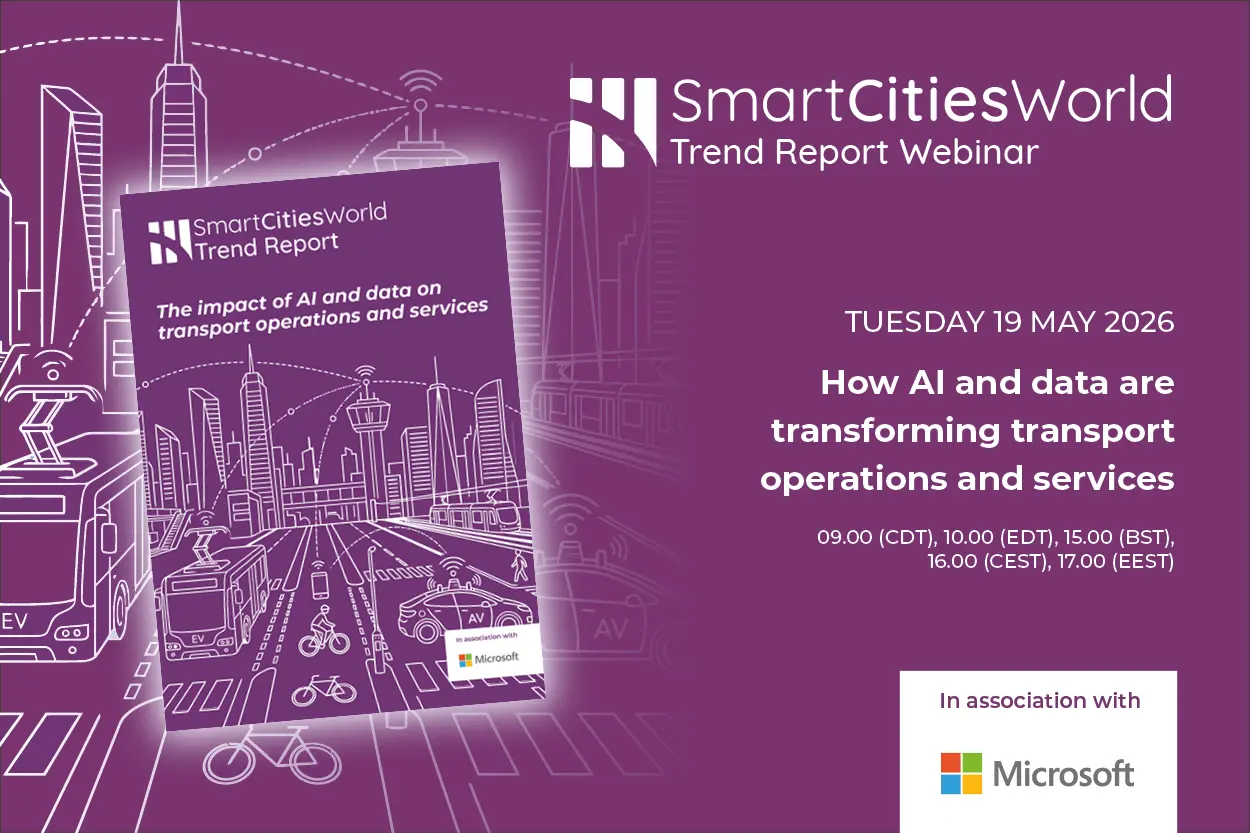
The integration of artificial intelligence and data analytics into urban transport operations is no longer a futuristic concept—it is a present-day reality reshaping how cities manage mobility, reduce emissions, and improve quality of life. As transport agencies grapple with aging infrastructure, rising congestion, and climate goals, AI offers a pathway to smarter, more efficient systems. This article explores how cities are deploying AI, building robust data foundations, and leveraging digital twins to transform transport services.
Strategic Procurement as a Tool for Resilience
Sam Markey, founder of Recurve, argues that strategic procurement is one of cities’ most underused tools for building resilience, local capacity, and long-term climate impact. Rather than simply buying off-the-shelf technology, cities can use procurement to incentivize innovation, foster local economic development, and ensure that AI systems align with community needs. For example, procurement contracts can require vendors to provide open data standards, enable interoperability, and commit to workforce training. This approach not only reduces long-term costs but also builds institutional capacity to manage and update AI systems.
Markey’s perspective highlights a critical gap: many cities rush to adopt AI without first establishing the governance frameworks and data infrastructure needed for success. By embedding resilience into procurement processes, cities can avoid vendor lock-in and ensure that technology serves public goals rather than corporate interests.
Kansas City Streetcar: Rail as a Catalyst for Urban Transformation
Tom Gerend, executive director of the Kansas City Streetcar Authority, explains how the return of rail has reconnected downtown, unlocked riverfront development, and reshaped the city’s growth story. Since its launch in 2016, the streetcar system has spurred over $2 billion in private investment along its route. The streetcar is not just a transport project—it is an economic development tool that has attracted new businesses, housing, and cultural institutions.
Data and AI play a supporting role in optimizing streetcar operations. Real-time passenger counts, GPS tracking, and predictive maintenance algorithms help the authority improve service reliability and reduce downtime. The streetcar’s success demonstrates how AI can enhance traditional transit modes, making them more responsive to demand and less energy-intensive. Gerend emphasizes that the streetcar’s integration with broader city data—from traffic signals to event schedules—allows for dynamic scheduling and reduced wait times.
Sunderland’s Data-First Approach to AI Adoption
Sunderland is repositioning itself as a leading smart city, using digital infrastructure and low-carbon innovation to build a resilient, future-focused economy. The city’s AI journey began with a focus on data groundwork: standardizing data collection, establishing governance protocols, and creating a shared data platform across city departments. This foundational work is essential for AI, as machine learning models require clean, consistent data to generate reliable insights.
Sunderland’s data platform integrates transport data—traffic flows, parking occupancy, air quality—with social and economic indicators to identify patterns and inform policy. For instance, AI algorithms analyze traffic data to optimize signal timing, reducing congestion and emissions. The city also uses predictive analytics to anticipate maintenance needs for roads and public vehicles, preventing costly breakdowns. Sunderland’s experience underscores that AI success depends less on exotic algorithms and more on disciplined data management.
Dublin’s Digital Twin Innovations for Smarter Transport
Dublin is innovating to improve experiences and services for its communities through digital twin projects, traffic reduction, and economic growth. A digital twin—a virtual replica of physical infrastructure—allows city planners to simulate scenarios and test interventions before deploying them in the real world. Dublin has built digital twins of key transport corridors, including the Quays, to model the impact of reallocating road space to buses, cyclists, and pedestrians.
The digital twin integrates real-time data from sensors, cameras, and GPS devices, enabling city officials to monitor traffic conditions, predict bottlenecks, and adjust signal timings dynamically. During major events, the system can recommend alternative routes and coordinate public transport schedules. Dublin’s approach demonstrates how digital twins, powered by AI and data analytics, can transform reactive traffic management into proactive, data-driven decision-making. The city has seen a measurable reduction in peak-hour congestion and a corresponding drop in vehicle emissions.
Smart Lighting and Cybersecurity Risks
In the smart cities ecosystem, streetlight networks are evolving into secure, interoperable, and future-proof infrastructure. The second episode of Cities Thriving on Lighting explores the technology and considerations behind turning existing streetlights into nodes for environmental sensing, Wi-Fi hotspots, and electric vehicle charging. Smart lighting systems can adjust brightness based on pedestrian activity, saving energy and enhancing public safety.
However, the proliferation of connected devices introduces cybersecurity risks. The final episode of the series discusses how global cities are approaching smart lighting and related cybersecurity challenges. Unsecured lighting networks can become entry points for hackers to disrupt traffic signals or access sensitive data. Cities must adopt encryption, regular firmware updates, and network segmentation to safeguard these assets. The move to smart infrastructure must be accompanied by robust security protocols that evolve alongside threats.
Microsoft’s Perspective: Data, Workforce, and Governance
As transport agencies turn to AI to improve services, the greatest opportunities will depend on strong data foundations, workforce readiness, and responsible governance, says Microsoft’s Katherine Flesh. According to her, the most successful AI deployments in transport share three attributes: they are built on high-quality, curated data; they involve continuous training and upskilling of employees; and they adhere to ethical guidelines that ensure fairness, transparency, and accountability.
Flesh notes that many transport agencies underestimate the effort required to clean and label data for machine learning. Without this investment, AI models may produce biased or inaccurate predictions. She also emphasizes the importance of involving frontline workers—bus drivers, traffic engineers, maintenance staff—in the design of AI tools. Their practical knowledge can help shape systems that are actually useful and trusted. Microsoft’s own Azure cloud platform provides tools for data preparation, model training, and deployment, but Flesh cautions that technology alone cannot solve cultural and organizational barriers.
Ecomondo and the Role of International Platforms
Ecomondo, the leading Italian trade fair on green and circular economy, discusses the priorities shaping healthier, more sustainable cities. The event emphasizes that smart city solutions must be scalable, replicable, and grounded in local context. Ecomondo’s organizers see the SmartCitiesWorld Summit as a valuable platform for sharing practical solutions and building new connections between cities, technology providers, and researchers.
International collaboration is vital for accelerating AI adoption in transport. Cities can learn from each other’s successes and failures, avoid duplicating mistakes, and co-develop standards for data sharing and interoperability. Ecomondo’s focus on digital twins, AI, and data aligns with the broader industry shift toward evidence-based urban management.
Operating Smarter: Digital Twins and AI in Urban Infrastructure
Another on-demand panel discussion, “Operating smarter: using digital twins and AI to reshape urban infrastructure management,” delves into practical applications. Panelists share case studies from cities that have deployed digital twins for water management, energy grids, and transport. They highlight the importance of starting small, scaling gradually, and ensuring that digital twins are linked to operational decisions rather than remaining as passive visualizations.
One key takeaway is that AI models must be continuously retrained with new data to maintain accuracy. As cities evolve—new roads, changing demographics, shifting travel patterns—the digital twin must adapt. The panel also stresses the need for city leaders to invest in the underlying data pipelines and analytics capabilities rather than focusing solely on flashy dashboards.
The convergence of AI and data is enabling transport authorities to move from reactive management to predictive and prescriptive operations. For example, by analyzing years of traffic counts and weather patterns, AI can forecast congestion hours in advance and suggest diversions. In public transit, predictive maintenance reduces vehicle breakdowns, while dynamic scheduling adjusts bus and train frequencies based on real-time demand. These capabilities not only improve efficiency but also enhance user satisfaction and reduce environmental impact.
However, the path to AI-driven transport is not without challenges. Data privacy concerns, especially with increased surveillance cameras and sensors, require clear policies and public engagement. Workforce displacement is another worry; some fear that AI may replace traffic controllers or maintenance workers. Responsible governance, as Microsoft’s Katherine Flesh notes, involves retraining programs and inclusive design processes that ensure technology complements rather than replaces human judgment.
Despite these hurdles, the trajectory is clear. Cities from Kansas City to Sunderland to Dublin are demonstrating that AI and data are not just add-ons but integral to modern transport operations. By building robust data foundations, embracing strategic procurement, and fostering international collaboration, urban leaders can unlock the full potential of AI to create safer, greener, and more equitable mobility systems.
Source:Smart Cities World News