

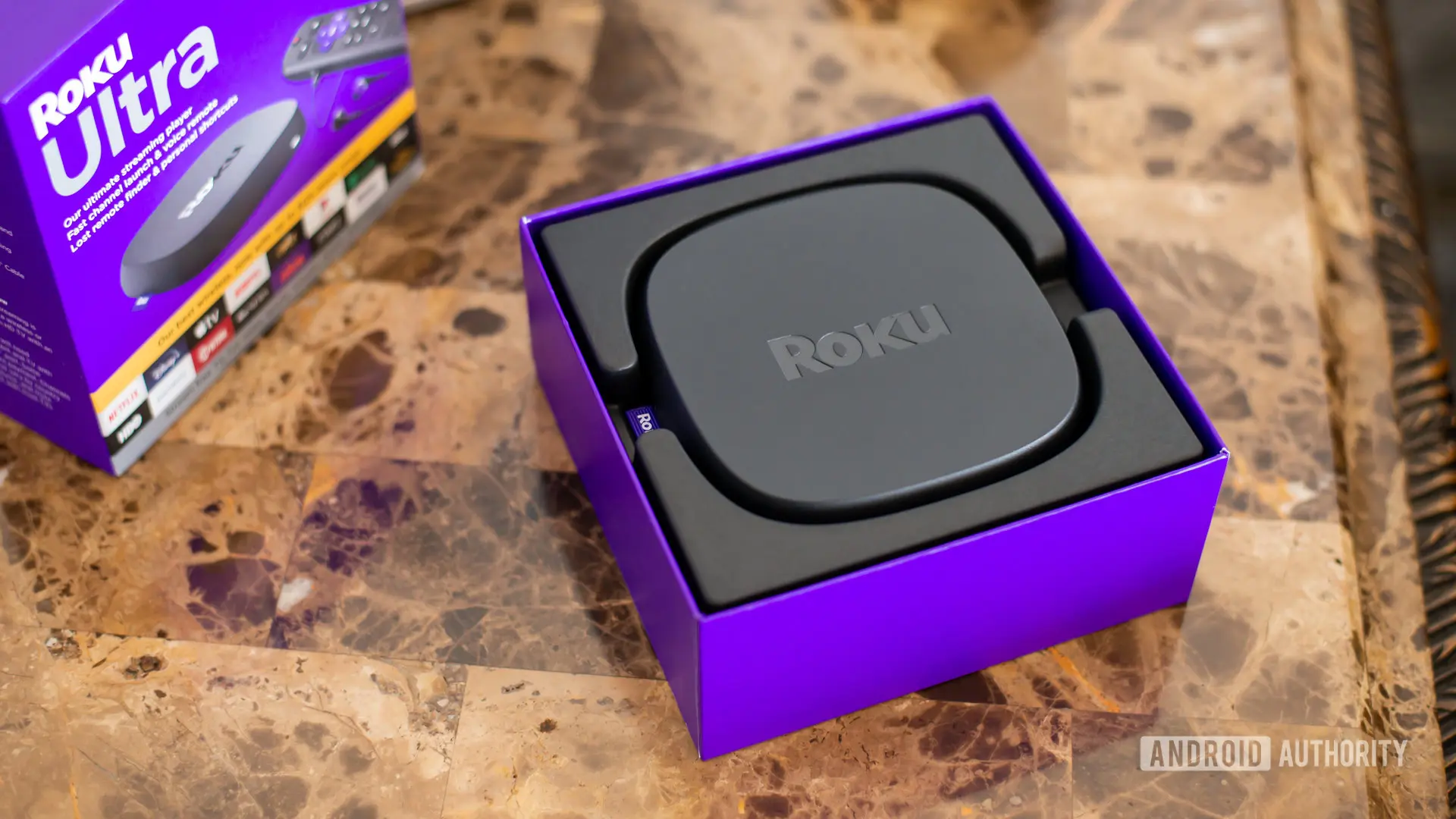
Roku, a leading name in streaming hardware, has quietly raised the manufacturer's suggested retail prices (MSRPs) for its current-generation devices. The increases, which range from $10 to $50, represent a jump of up to 50% for certain models. This move comes as the company navigates a challenging landscape of rising component costs and prepares for its acquisition by Fox.
Price Hike Details
According to reports originally spotted by The Desk and The Verge, the Roku Ultra and the Roku Streambar SE saw the steepest hikes: both now carry an MSRP of $149.99, up from $99.99. The entry-level Roku Streaming Stick increased from $29.99 to $39.99. The Streaming Stick Plus and Streaming Stick 4K each rose by $20, now retailing at $59.99 and $79.99, respectively.
Despite these adjustments, consumers are not yet feeling the pinch. Roku's own online store still lists all products at their previous prices, clearly marked as a "Limited time offer." Third-party retailers such as Amazon and Walmart have also maintained the old pricing for now. This suggests Roku may be phasing in the price increases gradually to minimize immediate backlash.
Why the Price Increase?
Roku has not issued an official statement regarding the price adjustments, but the broader context offers clear explanations. The consumer electronics industry has been grappling with surging costs for key components, especially memory chips. The explosive growth of the artificial intelligence sector has driven unprecedented demand for hardware, from GPUs to memory modules, pushing prices upward. Manufacturers like Apple, Samsung, Valve, and Nintendo have also raised prices on various products this year to protect profit margins.
Roku's streaming devices rely heavily on chips for processing, connectivity, and memory. As AI data centers consume increasing shares of global semiconductor output, the supply chain for consumer electronics tightens. This ripple effect forces companies like Roku to either absorb higher costs or pass them on to consumers—a decision that often leads to retail price increases.
Market Position and Competition
Roku has long been a dominant player in the streaming hardware market, known for its affordable devices and user-friendly interface. Its operating system powers not only its own hardware but also many smart TVs from brands like TCL, Hisense, and Sharp. However, the company faces stiff competition from Amazon's Fire TV Stick lineup, Google's Chromecast with Google TV, and Apple TV. Each of these rivals has also adjusted prices in recent months, reflecting the same industry-wide pressures.
Roku's advantage has been its low entry price point, which helps drive adoption and revenue from advertising and content partnerships. A 50% increase on its most popular models could erode that advantage, potentially pushing budget-conscious consumers toward cheaper alternatives or built-in smart TV platforms. Yet the temporary sale prices suggest Roku is trying to maintain market share while signaling to investors and retailers that the long-term price floor is rising.
Impact on Consumers
For now, buyers can still find Roku devices at their old prices through Roku's own website and major retailers. However, once the limited-time offers expire, the new MSRPs will likely become the standard. This means that a Roku Streaming Stick that once cost $29.99 will soon be $39.99—a 33% increase. The Ultra and Streambar SE will nearly double in cost relative to their previous sticker price, though note that the Streambar SE was already a budget variant of Roku's soundbar line.
Consumers may want to purchase soon to lock in the lower prices. Alternatively, they could consider refurbished models or look for deals during upcoming sales events like Black Friday or Prime Day. The long-term trend, however, points to higher costs for streaming hardware across the board.
Fox Acquisition of Roku
Adding another layer to this story, Fox announced last month that it is acquiring Roku for a combination of cash and stock valued at $22 billion. The acquisition has not yet closed, pending regulatory approvals. Fox's interest in Roku is strategic: the media giant wants to expand its direct-to-consumer streaming capabilities and leverage Roku's platform for advertising and content distribution. The price increase may be partially related to positioning Roku's financials ahead of the acquisition, though this is speculative.
The acquisition could also bring changes to Roku's hardware strategy. Fox may choose to subsidize devices to grow its user base, or conversely, lean into premium pricing to maximize short-term revenue. For now, Roku operates independently, and the price hike appears to be a response to market conditions rather than a direct result of the pending merger.
Historical Context and Future Outlook
Roku has adjusted its pricing several times over the past decade. The original Roku Streaming Stick launched at $49.99 in 2012, later dropping to $29.99 as competition intensified. The Roku Ultra debuted at $79.99 in 2016 and gradually increased to $99.99 before this latest jump. These fluctuations reflect the cyclical nature of component costs and competitive dynamics.
Looking ahead, analysts expect semiconductor prices to remain elevated due to sustained AI investment. Major chipmakers like Samsung and SK Hynix have shifted production capacity toward high-bandwidth memory (HBM) for AI accelerators, reducing supply for DRAM and NAND used in consumer devices. This imbalance could persist for several years, meaning further price increases for streaming hardware are possible.
Roku may also explore alternative strategies, such as offering ad-supported devices at a discount, similar to Amazon's approach with the Fire TV. The company already generates significant revenue from its platform—advertising, subscription commissions, and content licensing—which could offset hardware margins. In fact, Roku's 2025 annual report noted that platform revenue accounted for over 80% of total revenue, making hardware sales a smaller but still important part of the business.
Final Observations
The price increase on Roku streaming devices is part of a broader trend affecting consumer electronics. While the immediate impact is cushioned by temporary sale prices, the new MSRPs signal that the cost of entry into streaming is rising. Consumers should act quickly if they want to avoid paying more, but they should also be aware that the underlying economic factors—AI-driven demand for chips, supply chain constraints, and consolidation in the media industry—are unlikely to reverse soon.
Roku's strategic value remains strong, both as a hardware provider and a platform. The Fox acquisition will likely reshape the company's future, but for now, the focus is on navigating a high-cost environment while keeping its loyal user base satisfied. Whether the price hikes will lead to a slowdown in device sales or simply reflect a new normal remains to be seen.
Source:Android Authority News