

Key Facts of the Case
- A US man, Samuel Tunick, is being prosecuted for allegedly using a GrapheneOS duress PIN to wipe his Google Pixel phone during a border search at Atlanta’s Hartsfield-Jackson airport in January 2025.
- The charge is under a federal law covering destruction of property to prevent government seizure, treating the wipe as a deliberate act to stop agents from accessing the phone.
- Border agents reportedly demanded access to the phone without a warrant, and Tunick’s attorneys argue he was questioned without Miranda rights and denied a lawyer.
- The case is believed to be the first of its kind involving a GrapheneOS duress PIN, raising questions about the legality of using such features with law enforcement.
The intersection of advanced smartphone privacy tools and law enforcement has long been a contentious space, but a recent prosecution in the United States is bringing that conflict into sharp focus. A man from Atlanta, Georgia, is facing federal charges after he allegedly used a duress PIN feature on his GrapheneOS-powered Google Pixel phone to wipe its contents during a border search. The incident, which occurred at Hartsfield-Jackson Atlanta International Airport in January 2025, has sparked a legal battle that could set a precedent for how such privacy features are treated under the law.
What Is a GrapheneOS Duress PIN?
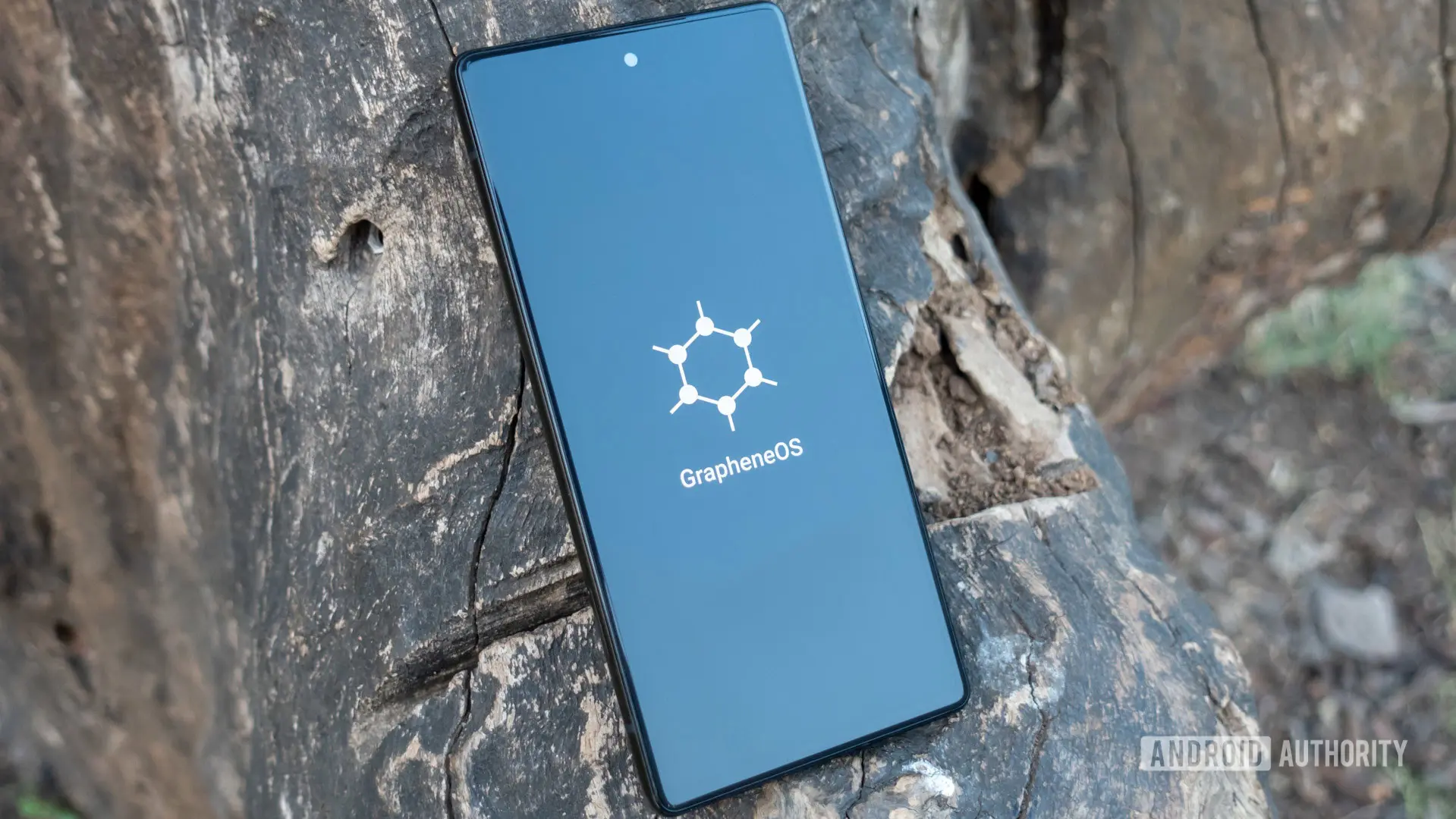
GrapheneOS is a privacy-focused mobile operating system based on Android, designed for users who want maximum control over their data and security. One of its most talked-about features is the duress PIN or password. Unlike a normal unlock code, this alternative PIN triggers an immediate and irreversible factory reset of the device, wiping all data. The feature is intended for situations where someone is being forced to unlock their phone against their will—for example, during a mugging or at an authoritarian checkpoint. There is no confirmation prompt or visual clue that the duress PIN has been entered, making it indistinguishable from a regular unlock attempt. The goal is to allow a user to comply with a demand while still protecting their data from falling into the wrong hands.
While the feature is popular among privacy advocates, journalists, and activists, its legality has never been tested in court in the context of law enforcement. That changed when Samuel Tunick, a 31-year-old Atlanta resident, returned from a trip to the Dominican Republic. According to court documents, U.S. Customs and Border Protection (CBP) agents stopped him at the airport and demanded access to his Google Pixel phone. They told him they did not need a warrant to search his device, a claim that has been legally disputed but is often asserted at border crossings.
Tunick allegedly provided a passcode, but instead of unlocking the phone, it wiped all data. The screen reportedly went blank, flashed several times, and then the device restarted. Agents were unable to retrieve any information from the phone, and Tunick was later charged under 18 U.S.C. § 2232, a federal law that makes it a crime to destroy property to prevent its seizure by the government. The indictment alleges that Tunick “knowingly deleted the phone’s digital contents to stop the government from taking control of the property.”
Legal and Technical Implications
This case is unprecedented, according to digital privacy experts quoted in The Guardian. While there have been other instances of individuals refusing to unlock devices or using encryption, the use of a duress PIN to actively destroy data is a new frontier. The law under which Tunick is charged—destruction of property to prevent seizure—is typically used for physical evidence, such as shredding documents or smashing hard drives. Applying it to a soft wipe triggered by a specific passcode raises complex questions about intent and knowledge.
Prosecutors must prove that Tunick knew his actions would destroy data and that he did so explicitly to prevent the government from seizing that data. The defense will likely argue that the duress PIN is a standard security feature of the phone, not a tool for obstruction. Moreover, they contend that Tunick was subjected to an unconstitutional search. His attorneys have filed a motion to suppress all evidence, arguing that agents failed to read him his Miranda rights, repeatedly refused his requests to speak with a lawyer, and that the phone search itself was an unreasonable seizure. They also suggest that questions about child sexual abuse material were a pretext to investigate his alleged ties to the movement opposing Atlanta’s “Cop City”—a controversial police training center.
The motion includes claims that Tunick was held for hours without proper legal counsel and that the duress PIN was entered under duress. If the judge accepts these arguments, the case could be dismissed. However, if the court allows the charge to proceed, it could have a chilling effect on the use of privacy features like the duress PIN. Users might fear legal repercussions even when using the feature legitimately in life-threatening situations.
Border Search Powers and Digital Privacy
The Fourth Amendment protects against unreasonable searches and seizures, but border searches have long been treated as an exception. Courts have generally allowed customs officials to search travelers’ belongings without a warrant at international borders. However, the extent of this exception for digital devices is still being litigated. The Supreme Court has not definitively ruled on whether border agents can force a traveler to unlock a phone. In the 2014 case Riley v. California, the Court held that police generally need a warrant to search a cell phone incident to arrest, but it did not directly address border searches.
Several lower courts have issued conflicting rulings. Some have held that border agents have broad authority to search devices, while others have required reasonable suspicion. The Tunick case adds a new layer because it involves not just refusal to unlock, but active destruction of data. Even if the border search was legal, using a duress PIN could be seen as obstructing that search. The outcome may depend on whether the duress PIN is considered a form of “destruction” or simply a security feature. GrapheneOS itself has stated that the duress PIN is designed for extreme situations and should not be used to hide evidence of a crime. But in this case, Tunick’s lawyers argue he was not suspected of any crime at the time of the search.
Broader Context and Future Concerns
The case has drawn attention from digital rights organizations, including the Electronic Frontier Foundation (EFF) and the ACLU, who are monitoring the proceedings. They worry that a conviction could be used to criminalize the use of privacy tools more broadly. Already, law enforcement agencies have pushed back against strong encryption, calling it a barrier to investigations. The duress PIN is a logical extension of that encryption—an escape hatch for users in dangerous situations. If using it becomes a felony, it could undermine trust in such features.
On the other hand, prosecutors may argue that the duress PIN is not meant for interactions with law enforcement but with civilian threats like muggers. The GrapheneOS documentation advises users to consider the legal context before setting up such a feature. But at a border, where travelers have limited rights, the line is blurry. Tunick’s case also raises the question of what happens if a user accidentally enters the duress PIN or if it was pre-configured by someone else. The hypothetical situation of a duress PIN written on the back of the phone is not far-fetched.
As of now, a judge is not expected to rule on the motion to suppress until at least the end of October 2026. Until then, the case will be closely watched by privacy advocates, legal scholars, and technology companies. Whatever the outcome, it is clear that the duress PIN has stepped out of the realm of theoretical debate and into the courtroom. For users who value their digital privacy above all else, this is the kind of case that could determine whether they can continue to use such tools without fear of prosecution. The answer may reshape the landscape of personal security technology in an age of increasing surveillance.
Source:Android Authority News