

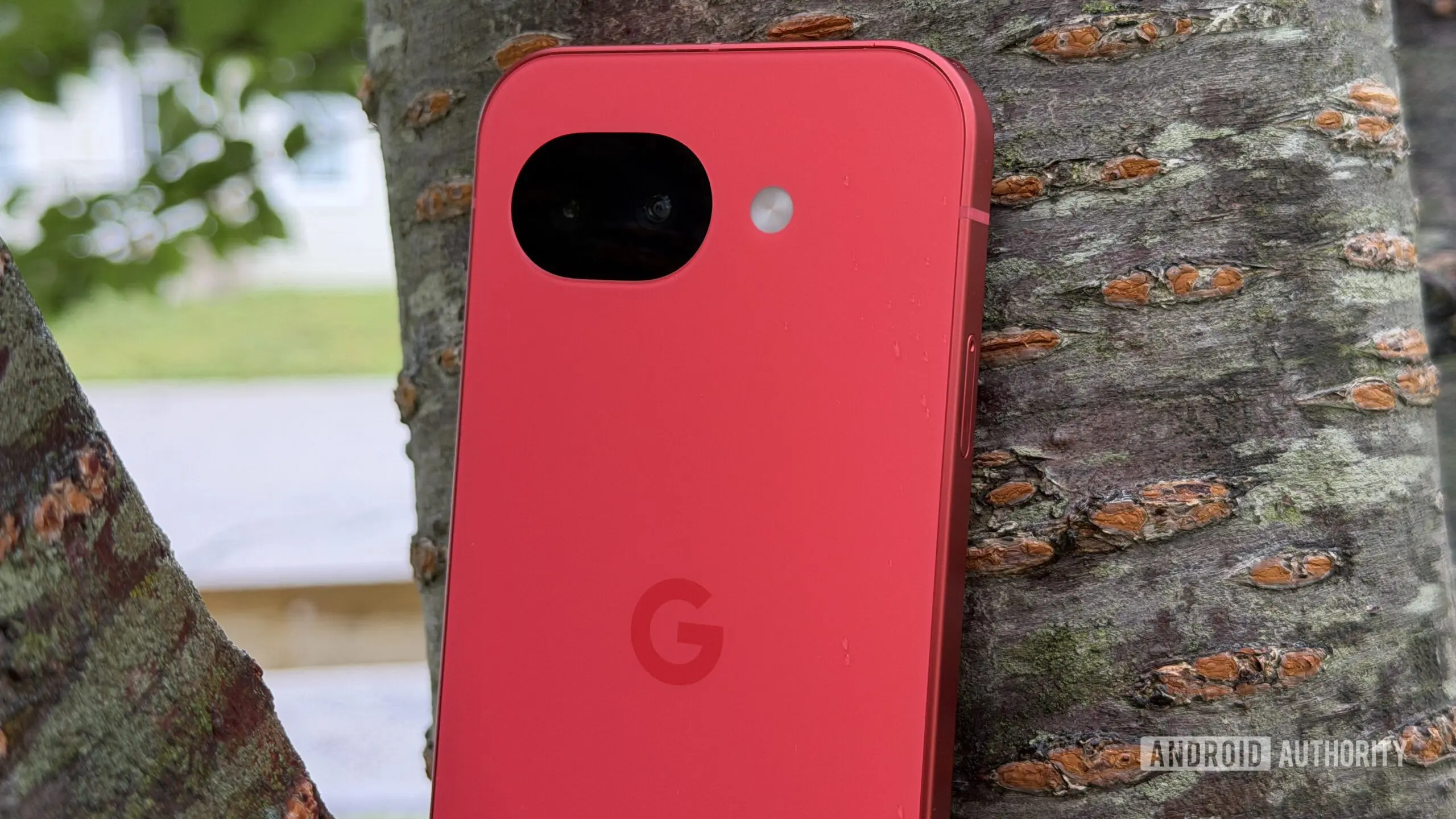
With Samsung Unpacked officially behind us, all eyes are now on the Made By Google event scheduled for August 12, where the Pixel 11 series is expected to debut. Recent leaks have painted a detailed picture of the upcoming devices, including a significant change in pricing. The most affordable Pixel 11 model is rumored to start at $899, a $100 increase over the Pixel 10's $799 launch price. Now, a Google executive has confirmed that pricing adjustments are indeed on the table, and they could affect not only the Pixel 11 but also existing models like the Pixel 10a.
Google's VP Confirms Dynamic Pricing Strategy
In an interview with 9to5Google, Shakil Barkat, Google's Vice President of Devices and Services, addressed the pricing concerns head-on. While declining to share specific figures, Barkat acknowledged that Google has been struggling to absorb recent spikes in memory prices. He stated that the company can no longer maintain the current pricing structure, and that "adjustments" will be implemented "dynamically to match supply realities." This is a clear signal that the Pixel 11 series will indeed cost more, as the leaks have suggested.
Barkat's comments are a departure from Google's previous approach of keeping Pixel prices stable year over year. The Pixel 10 series launched with a $799 base price for the standard model, a price point that was already seen as premium. The jump to $899 for the Pixel 11 would put Google in direct competition with the likes of Samsung's Galaxy S series and Apple's iPhone, albeit with the promise of better camera features and software updates.
Pixel 10a Also Faces Potential Price Hike
Perhaps the more concerning revelation from Barkat is that the pricing adjustments are not limited to future releases. He indicated that "in-market Pixel phones" will also see an impact, hinting that the Pixel 10a's $499 base price may not last. The Pixel 10a, which launched earlier this year as a budget-friendly option, could soon become more expensive. This would be a blow to consumers looking for a high-quality smartphone at a lower price point.
Google has not confirmed a specific timeline, but the dynamic nature of the pricing strategy suggests that increases could happen at any time. This makes the current window potentially the last chance to buy a Pixel 10a at its original price. For those considering the Pixel 11, the leaked starting price of $899 might not be final, but it aligns with Barkat's warnings.
Rising Memory Costs Driving the Change
The primary driver behind these price increases is the rising cost of RAM and storage. The global semiconductor shortage has been ongoing for years, and memory prices have fluctuated significantly. Google, like all smartphone manufacturers, relies on third-party suppliers for these components. With demand for AI and high-performance computing increasing, memory costs have surged. Barkat explained that Google has been trying to absorb these costs, but it's no longer sustainable.
To combat this, Google is working on making Android more memory-efficient. Barkat noted that the company is investing in software optimizations to reduce the amount of RAM required for smooth operation. This is a long-term solution that could benefit all Android users, not just Pixel owners. However, it's a challenging endeavor. Android is a complex operating system with many layers of abstraction, and optimizing memory usage often requires trade-offs in performance or features.
Historically, Google has been successful in improving system efficiency. For example, the migration to 64-bit only apps in Android 14 helped reduce overhead. Future versions of Android could introduce more aggressive memory management techniques, such as better app hibernation or compression. But these changes take time, and the immediate impact of rising hardware costs will likely be passed on to consumers.
Trade-Ins and Promotions to Continue
Despite the price hikes, Barkat assured that Google will continue to offer trade-in deals, promo codes, and bundle offers to make the phones more affordable. This is a common strategy in the smartphone industry, where the list price often differs from the actual purchase price when considering incentives. Google has historically offered generous trade-in values for older Pixel phones, sometimes up to $500 or more.
For example, a Pixel 10 owner might be able to trade in their device for a significant discount on a Pixel 11, softening the blow of the higher base price. Similarly, Google may bundle the Pixel 11 with accessories like the Pixel Buds or a Pixel Watch at a reduced overall cost. These promotions are designed to maintain customer loyalty and keep the effective price competitive.
However, the executive did not provide details on the scope of future promotions. Given the cost pressures, it's possible that trade-in values could be lowered or that promotions become less frequent. Consumers should monitor Google's offers closely, especially if they plan to upgrade soon.
Historical Context: Pixel Pricing Trends
Google's Pixel line has always been positioned as a premium Android experience, but pricing has gradually increased over the years. The original Pixel launched at $649 in 2016. The Pixel 2 started at $649, the Pixel 3 at $799, and the Pixel 4 at $799. With the Pixel 5, Google dropped the price to $699, but then the Pixel 6 raised it to $799. The Pixel 7 and Pixel 8 maintained the $799 base price, while the Pixel 9 and Pixel 10 stayed at $799. The jump to $899 for the Pixel 11 would be the first significant increase since the Pixel 3.
On the 'a' series side, the Pixel 3a started at $399, the Pixel 4a at $349, the Pixel 5a at $449, the Pixel 6a at $449, the Pixel 7a at $499, the Pixel 8a at $499, and the Pixel 9a at $499. The Pixel 10a also started at $499. A potential price hike would break a tradition of affordable options, though Google has been adding more premium features to these budget models over time.
It's worth noting that competitors like Apple and Samsung have also increased prices in recent years. The iPhone 15 started at $799, but the iPhone 16 is rumored to start at $899. Samsung's Galaxy S24 started at $799, but the Galaxy S25 could see an increase. So Google's move is part of a broader industry trend driven by component costs and inflation.
The Impact on Consumers and the Market
For consumers, the price hikes mean that the Pixel line may no longer be the best value proposition it once was. The Pixel 11 will compete directly with flagships from Samsung and Apple, both of which have established reputations for hardware and customer service. Google's strength has been its software, camera, and AI features, but if the price is the same, some buyers may choose the more established brands.
On the other hand, Google's trade-in deals and promotions could still make the Pixel 11 an attractive option, especially for existing Pixel owners. The Android community tends to be loyal to the brand, and the consistent software updates are a major draw. For budget-conscious buyers, the Pixel 10a at $499 (currently) is still a solid choice, but a price hike could push them toward competitors like the Samsung Galaxy A series or other Chinese brands.
From a market perspective, Google's dynamic pricing strategy could be a test for future product lines. If successful, it could allow Google to respond more quickly to supply chain changes, but it also introduces uncertainty for consumers. Planning a purchase may now require timing the market to get the best price.
In the long run, Google's investment in memory efficiency could help reduce costs for future devices. If Android can run smoothly on less RAM, Google may be able to use cheaper components or pass on savings to customers. However, that is a multi-year effort, and short-term price increases are likely unavoidable.
As the August 12 event approaches, more details will emerge about the Pixel 11's exact specifications and pricing. Leaks suggest that the Pixel 11 will feature a new Tensor G5 chip, improved cameras, and a refreshed design. Whether the price increase is justified will depend on the overall experience. For now, consumers should weigh their options carefully, consider trade-in deals, and perhaps wait for early reviews before committing to a purchase.
Source:Android Authority News