

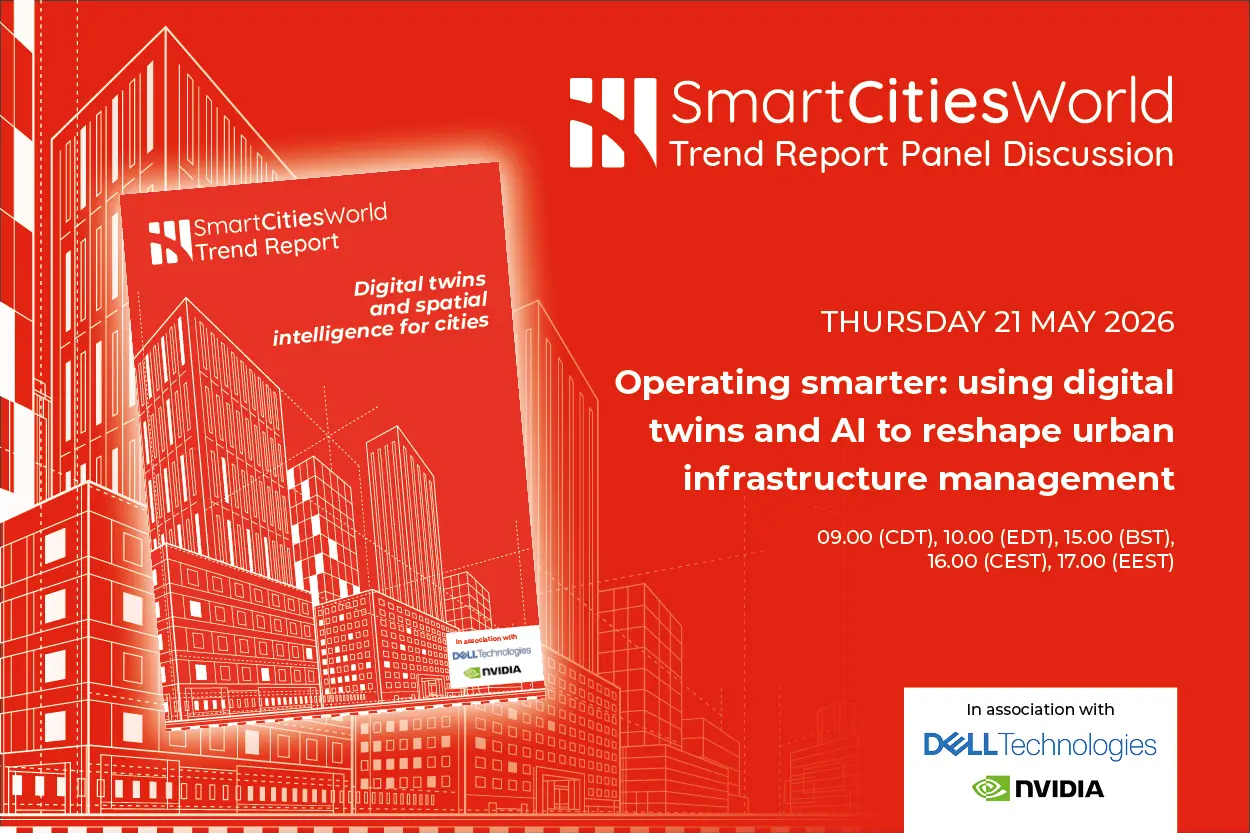
Cities around the world are increasingly turning to digital twins and artificial intelligence to manage their infrastructure more efficiently, reduce costs, and improve sustainability. A recent panel discussion at the SmartCitiesWorld Summit 2026 brought together experts to explore how these technologies can be integrated into mainstream local government operations.
The Promise of Digital Twins
Digital twins—virtual replicas of physical assets—allow city planners to simulate scenarios, monitor real-time performance, and predict future outcomes. By integrating data from sensors, IoT devices, and building management systems, urban administrators can optimize everything from traffic flow to energy consumption. The technology is particularly valuable for long-term planning, enabling cities to test the impact of changes before implementing them in the real world.
For example, a digital twin of a downtown district can model how a new bike lane might affect congestion, or how a building retrofit could reduce carbon emissions. These simulations rely on high-quality data and often incorporate AI algorithms to identify patterns and recommend actions.
AI in Mainstream Government
Moving AI from experimental projects to everyday operations remains a challenge. During the panel, Sam Markey, founder of Recurve, stressed that strategic procurement is one of cities' most underutilized tools for building resilience and local capacity. He argued that by carefully designing contracts and partnerships, municipalities can ensure that AI deployments deliver long-term climate and equity benefits.
Tom Gerend, executive director of the Kansas City Streetcar Authority, provided a different perspective. He described how the return of rail transit has reconnected downtown Kansas City, unlocked riverfront development, and reshaped the city's growth story. While not a direct AI case study, his example illustrated how infrastructure decisions—backed by data—can transform urban economies.
Case Studies: Sunderland and Dublin
The panel also highlighted two European cities making strides in smart city innovation. Sunderland, UK, is repositioning itself as a leading smart city by investing in digital infrastructure and low-carbon innovation. Its strategy focuses on building a resilient, future-focused economy that attracts businesses and improves quality of life for residents.
Dublin, Ireland, is similarly embracing digital twins and AI to improve community experiences. Projects include traffic reduction initiatives, digital twin simulations of public spaces, and economic development programs that leverage data to guide policy. These examples demonstrate that cities of different sizes and contexts can benefit from a structured approach to smart infrastructure.
Data Foundations and Governance
Katherine Flesh, a representative from Microsoft, noted that as transport agencies turn to AI to enhance services, the greatest opportunities will depend on strong data foundations, workforce readiness, and responsible governance. Without clean, accessible data, AI models can produce unreliable results. Additionally, city employees need training to interpret and act on AI-driven insights.
Cybersecurity also emerged as a crucial concern. As urban systems become more connected, they also become more vulnerable to attacks. The panel referenced episodes of the series Cities Thriving on Lighting, which explores how cities are addressing cybersecurity risks associated with smart lighting and other connected infrastructure.
Energy Transition and Transportation
Another related panel discussion, titled "Cities and the Energy Transition – from Consumers to System Leaders," examined how municipalities can shift from passive energy users to active managers of local power grids. This aligns closely with digital twin applications that model energy flows and identify efficiency opportunities.
A separate webinar on "How AI and Data Are Transforming Transport Operations and Services" delved into real-world deployments, including predictive maintenance for transit vehicles and dynamic routing for emergency services. These tools rely on continuous data streams and machine learning algorithms to improve decision-making.
Underlying Challenges and Opportunities
While the potential of digital twins and AI is immense, cities must navigate significant hurdles. Data silos across agencies can prevent the holistic view needed for effective simulations. Budget constraints may limit the ability to invest in high-end software and sensors. Moreover, public trust depends on transparent use of data and clear communication about how AI is deployed.
Yet the momentum is undeniable. Cities like Kansas City, Sunderland, and Dublin serve as proof points that even partial adoption can yield tangible benefits. The SmartCitiesWorld Summit 2026 will continue to provide a platform for sharing practical solutions and building new connections among urban leaders.
For those who missed the live panel, all sessions are available on demand. Additionally, the SmartCitiesWorld daily and weekly newsletters compile the latest news, interviews, special reports, and guest opinions directly to subscribers' inboxes.
Source:Smart Cities World News