

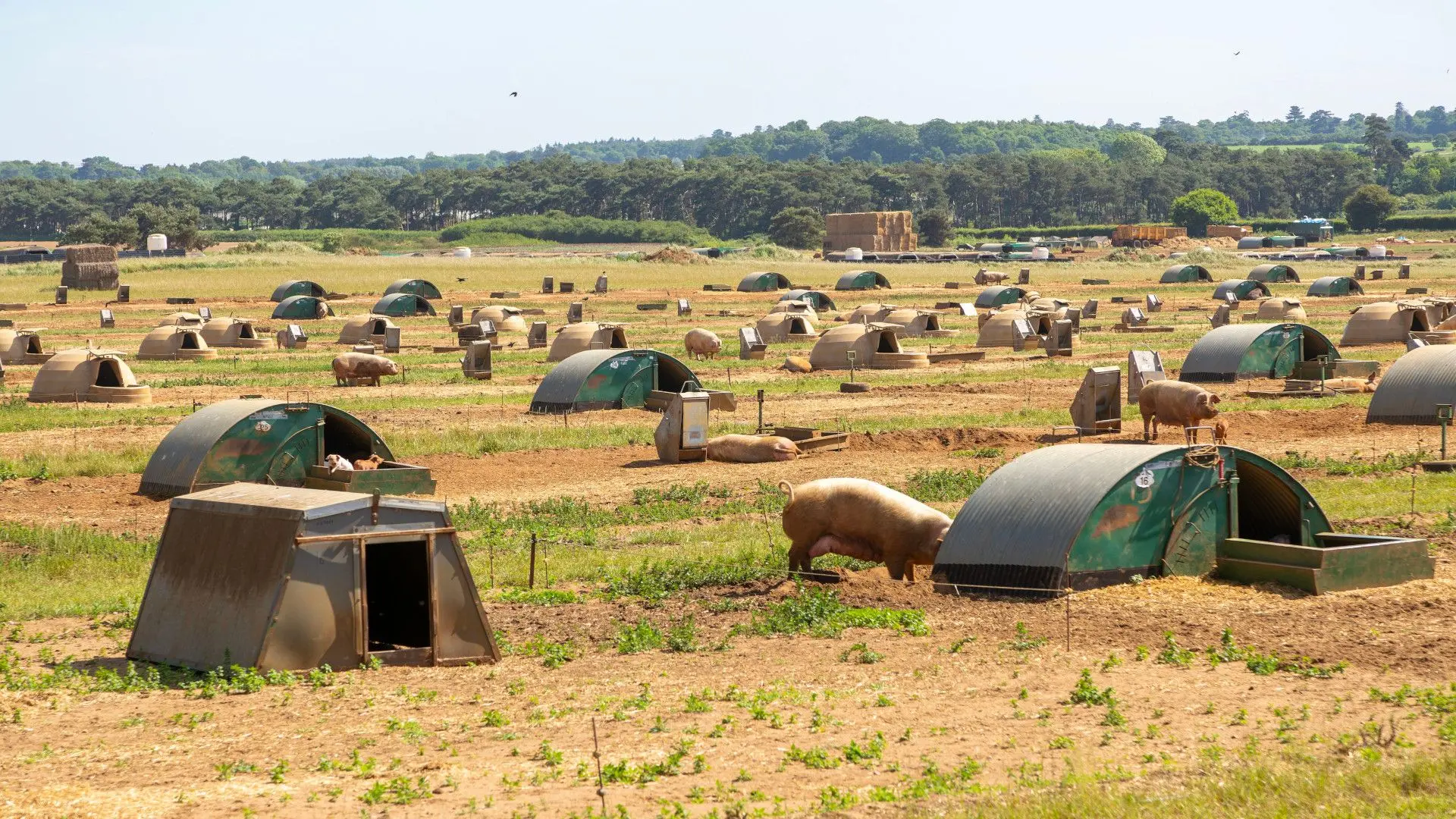
A groundbreaking project in the United Kingdom is demonstrating how artificial intelligence can transform livestock waste into a highly profitable energy resource. At a farm in the rural countryside, pig manure—traditionally a costly waste product—is being converted into biogas and electricity, with the potential to earn farmers up to ten times more than the standard grid price for electricity. This innovation, combining AI-driven monitoring with anaerobic digestion, marks a significant step toward sustainable agriculture and energy independence.
How AI turns pig muck into cash
The system works by collecting pig manure in large tanks and subjecting it to anaerobic digestion, a natural process where microorganisms break down organic matter in the absence of oxygen. This produces biogas—a mixture of methane and carbon dioxide—which can be burned to generate electricity. However, the efficiency of this process depends on many variables: temperature, pH levels, feedstock composition, and retention time. Traditionally, farmers have relied on manual adjustments and experience to manage these factors, often leading to suboptimal yields.
Enter artificial intelligence. Sensors placed in the digesters continuously monitor key parameters. Machine learning algorithms analyze this data in real time, adjusting conditions to maximize gas production. For example, if the temperature drops or the pH shifts, the AI can automatically tweak heating systems or add buffering agents. The result is a 20–30% increase in biogas output compared to conventional methods, according to early trials at the farm.
Moreover, the AI predicts maintenance needs and can detect anomalies before they cause costly breakdowns. This predictive capability reduces downtime and ensures consistent energy generation. The farm now produces enough electricity to power its own operations and sells surplus to the national grid—but at a premium. Through a combination of government incentives (like the Renewable Heat Incentive) and the sale of Renewable Energy Guarantees of Origin (REGO) certificates, the farm earns roughly ten times the standard wholesale electricity price. For farmers, this extra income stream can be transformative.
The economic and environmental impact
To understand the scale, consider that a typical medium-sized pig farm with 5,000 animals produces around 20,000 cubic meters of manure annually. Using conventional digestion, that might generate enough electricity for 150 homes. With AI optimization, the same manure can power 200 homes or more. The additional revenue from energy sales, combined with savings on waste disposal, can add tens of thousands of pounds to a farm’s bottom line each year.
Environmentally, the benefits are equally compelling. Manure left untreated releases methane, a potent greenhouse gas, into the atmosphere. Capturing and burning it for energy converts methane into carbon dioxide, which has a much lower warming potential. The digestate—the leftover material—is a nutrient-rich fertilizer that can replace synthetic alternatives, reducing carbon emissions from manufacturing and transport. The AI system further minimizes energy use by optimizing the digester's own power consumption, creating a closed-loop system that is carbon neutral or even carbon negative.
This aligns with the UK's net-zero goals and the growing push for decentralized renewable energy. Farms can become energy exporters rather than consumers, strengthening rural economies and reducing reliance on fossil fuels. The project has attracted attention from agricultural researchers, energy companies, and policymakers who see it as a scalable model for the livestock industry.
Challenges and future prospects
Despite its promise, the technology faces hurdles. The upfront cost of installing AI-controlled anaerobic digestion systems is substantial—often exceeding £1 million for a large farm. While grants and loans are available, many farmers remain cautious. Additionally, the AI requires reliable internet connectivity and technical support, which can be scarce in remote areas. Training farm staff to interpret AI recommendations and intervene when necessary is also essential.
There are also regulatory considerations. Biogas plants must meet environmental permits, and selling electricity to the grid requires compliance with complex energy market rules. However, the UK government has signaled support for such innovations, and pilot projects like this one help pave the way for wider adoption.
Looking ahead, researchers are exploring ways to use AI to optimize the mixing of different types of waste—such as combining pig manure with food waste from supermarkets—to further boost gas yields. They are also developing AI models that can predict the market price of electricity and recommend when to store energy or sell it, maximizing profits. The integration of battery storage systems with AI management could also allow farms to sell electricity during peak demand periods at even higher rates.
A paradigm shift for farming
The success of this British farm is already inspiring similar initiatives across Europe and North America. In Denmark, for instance, several large pig farms are adopting AI-driven digestion to meet renewable energy targets. In the US, research universities are collaborating with agribusinesses to adapt the technology for beef and poultry operations. The underlying principle is the same: turning a liability into an asset, with AI as the catalyst.
For the average farmer, this represents a paradigm shift. No longer is manure just a disposal problem—it is a resource that can generate a significant secondary income. The farm in question now earns more from its energy operations than from selling pigs, highlighting the potential for diversification. Moreover, the data collected by the AI systems can be used to improve animal health and feeding practices, creating additional value.
As climate pressures intensify and energy prices remain volatile, such innovations become increasingly attractive. The British farm may be a pioneer now, but within a decade, AI-optimized manure processing could become standard practice on large livestock farms worldwide. The combination of environmental stewardship and economic reward is a powerful driver, and the technology is rapidly maturing.
The role of policy and investment
Realizing this potential requires continued support from governments and investors. The UK's Renewable Energy Guarantees of Origin scheme and the Green Gas Support Scheme provide financial incentives for biogas projects, but the level of support must be maintained to encourage adoption. Accelerated capital allowances for clean tech investments could lower the barrier for smaller farms. Additionally, public-private partnerships could fund research into reducing the cost and complexity of AI systems.
Beyond the farm, the energy generated can feed into local grids, reducing transmission losses and improving energy security. Rural communities often face higher energy costs due to remoteness; farm-based generation can help stabilize prices. The digestate also improves soil health, potentially sequestering carbon and boosting crop yields—another area where AI could be used to optimize application rates.
In summary, what began as a novel experiment on a single farm has the potential to reshape the agricultural and energy landscapes. By harnessing AI to turn pig muck into a lucrative energy source, farmers can achieve unprecedented returns while contributing to a more sustainable world. The technology is proven, the economics are favorable, and the environmental benefits are clear. The next step is scaling it up—and that will require collective effort from farmers, engineers, policymakers, and investors alike.
Source:TechRadar News