

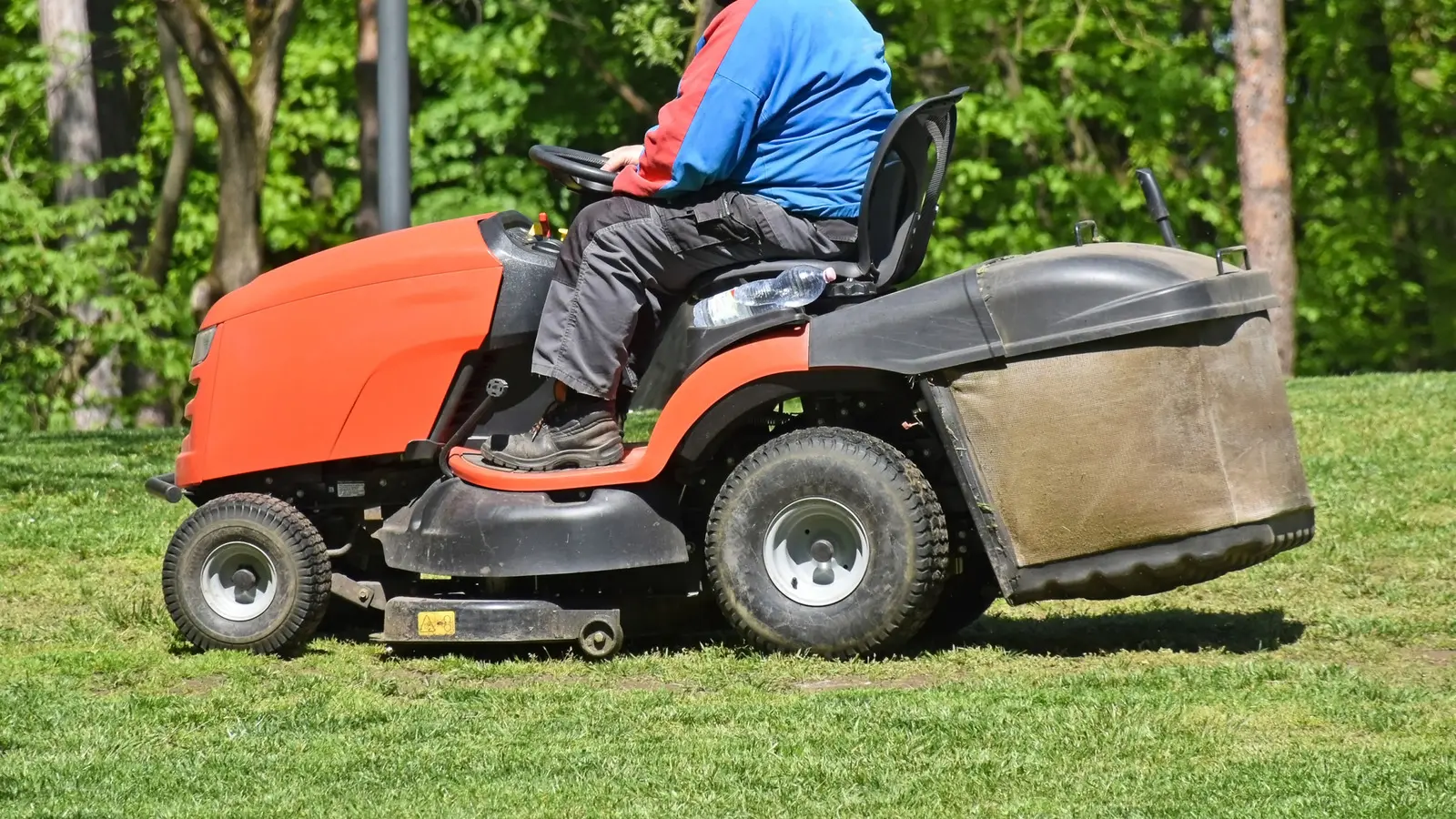
In the world of ride-on mowers, certain parts of the machine get all of the attention. Debates continue on aspects like Kawasaki vs. Kohler engines, deck size, and the effectiveness of each unit's cutting system. However, even if you have the latest and greatest equipment, in terms of yard health, you might be overlooking something basic on your machine: your tires. The humble tire is the only part of the mower that makes constant contact with your lawn, yet it's often neglected until a flat tire stops the mower in its tracks. But the damage can be subtle and cumulative, slowly degrading your turf without you even realizing it.
If you notice that your typically uniform cut is uneven, it could be a lack of air in your tires. There are many different mower models, so the easiest way to get the proper pounds per square inch (PSI) setting for your machine is looking along the sidewall of the tires. For example, according to Cub Cadet, most consumer level riding mowers require a maximum of 10 PSI in the rear and 14 PSI for the front tires. But these numbers are just a starting point. The ideal pressure can vary depending on the turf type, soil moisture, and even the weight of the operator. A heavier operator or a loaded grass catcher may necessitate slightly higher pressure to avoid sidewall flexing.
However, one or more tires losing air can also angle your cutting deck. This can mean certain sections of grass will be cut shorter than others, leading to a variety of lawn issues. Unless you regularly verify tire pressure when the mower is cool and sitting on a level area, the situation may go unnoticed as it's less conspicuous than a flat. Gone unaddressed, weeds could start creeping in, and parts of your yard could turn brown as grass cut too short can become susceptible to fungus. Additionally, an uneven cut forces the mower's engine to work harder, increasing fuel consumption and wear on the deck spindles and blades. The financial cost of ignoring tire pressure goes beyond just lawn aesthetics.
But pressure is only half the story. The tread condition of your lawn mower tires plays an equally vital role. Many homeowners assume that since riding mowers spend the majority of their time on grass, their rubber treads will last forever. However, they do wear down over time, due to things like loose debris in the grass and sun exposure. Worn out tires can create a few issues that will negatively impact your green space. Those tread patterns are designed to give you enough traction to maneuver around your property when mowing. Aging tires will often be missing rubber material, and that can cause them to spin in place as they attempt to gain some traction, potentially damaging your grass and creating ruts. If you happen to get stuck, attempting to get your mower free can also create quite a bit of disruption to the turf. In severe cases, the loss of traction on slopes can lead to safety hazards, as the mower may slide uncontrollably.
Unfortunately, traction isn't the only area where problems arise. Worn tires can also experience cracking as a result of the sun's rays. This can make the tire more susceptible to punctures and air leaks. If you're concerned about losing air pressure, these simple tips can help keep your lawn mower tires from going flat. Regularly inspect the sidewalls for dry rot – small cracks that appear as the rubber ages. Parking the mower indoors or under a cover significantly extends tire life by shielding it from UV radiation. Using tire sealants or installing foam-filled tires are more permanent solutions for those tired of frequent inflation checks.
This doesn't necessarily mean you should run out to buy new mower tires at the first sign of trouble. New tires can also damage grass, for instance if you're reckless cornering in a zero-turn — one of the things to stop doing if you have a riding mower — so doing regular maintenance is vital to avoid needing replacements prematurely. The type of tire you choose matters as well. Turf-saving tires, often called "slick" or "smooth" tires, have minimal tread to avoid tearing up the lawn. They are ideal for flat, dry properties but lack traction on slopes or wet grass. Conversely, bar-tread tires provide excellent grip but can leave small furrows if the mower is turned tightly. Matching tire design to your specific terrain is a key part of lawn care strategy.
Beyond pressure and tread, the age of the tire itself is a factor. Most lawn mower tires are made from rubber compounds that begin to harden and lose flexibility after about five years, even with light use. Hardened tires can transmit more vibration to the mower deck, leading to a less consistent cut and increased operator fatigue. If your mower is more than five years old and you haven't replaced the tires, it might be time to consider it, even if the tread looks adequate. The rubber's ability to conform to small bumps and depressions in the lawn is lost, resulting in a scalping effect on uneven ground.
Another overlooked aspect is the type of valve stem on your tires. Many riding mowers use a straight rubber stem that can crack and leak over time. Replacing them with angled metal stems makes inflation easier and reduces the chance of air loss. Also, check your tire rims for rust or damage. A corroded rim can cause a slow leak that is maddening to diagnose. Keeping the rims clean and painting them with rust-inhibiting paint can prevent this issue.
Finally, consider the impact of tire pressure on fuel efficiency. Underinflated tires increase rolling resistance, forcing the engine to work harder. This can consume up to 10% more fuel per mowing session – a cost that adds up quickly over a season. On the other hand, overinflated tires reduce the footprint of the tire on the ground, increasing ground pressure and potentially compacting the soil more in the contact patch. Soil compaction is a silent killer of lawn health, restricting root growth and water infiltration. The ideal is a balanced pressure that supports the mower's weight without creating excessive compaction. A simple check with a tire gauge before each mowing session – at least when the season begins – can save you money and protect your lawn.
In summary, the tires on your lawn mower are far from an afterthought. They influence cut quality, lawn health, fuel consumption, and even operator safety. By maintaining proper inflation, inspecting for wear and age, and choosing the right tread pattern for your property, you can ensure that your mower performs at its best and your lawn remains the envy of the neighborhood. Taking ten minutes to check your tires before you start mowing can prevent hours of extra lawn repair work later.
Source:SlashGear News