

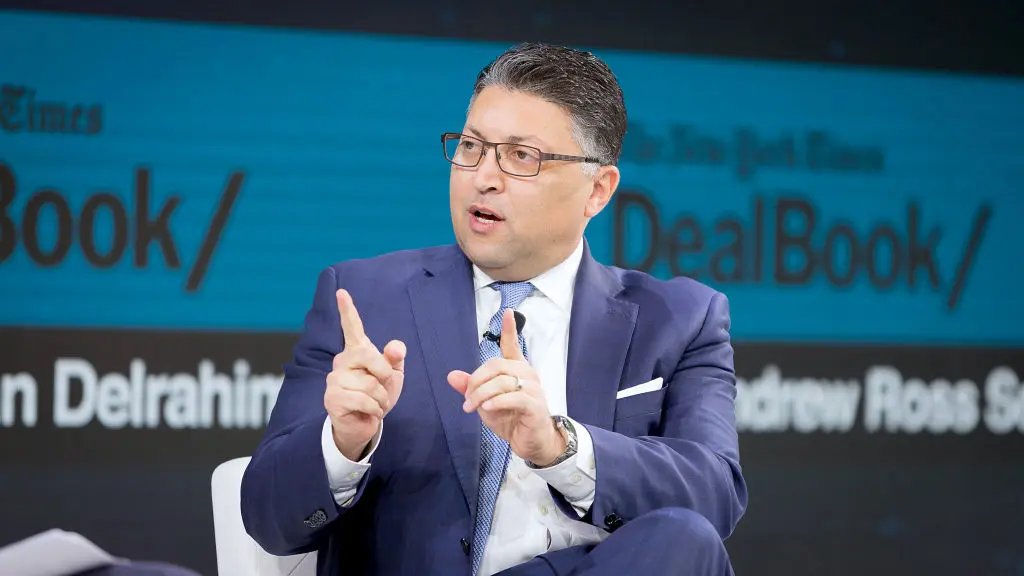
Paramount Skydance is accusing Netflix of engaging in a deliberate and aggressive campaign to derail its proposed acquisition of Warner Bros. Discovery (WBD). In a letter dated June 5 and addressed to the U.S. Department of Justice's Antitrust Division, Paramount's chief legal officer, Makan Delrahim, alleged that Netflix is attempting to sway regulators and other stakeholders against the merger. The letter, first reported by Politico, describes Netflix's actions as a "panic-level response" and a "scorched-earth campaign" aimed at poisoning the well before the deal can be properly evaluated.
Paramount's Letter to the DOJ
Delrahim, who previously served as an assistant attorney general for the Antitrust Division, wrote that Netflix's behavior underscores how seriously the streaming giant views Paramount as a competitor. The letter was sent in response to a March communication from The International Brotherhood of Teamsters, which had urged the DOJ to block the merger unless significant safeguards were implemented. The Teamsters, a union with 1.3 million members, argued that the combination of Paramount and WBD would threaten film and television workers by reducing production opportunities.
Paramount's top lawyer countered that the merger would not harm labor. Instead, he claimed it would lead to increased content creation, including more movies and programming for streaming services and broadcast channels. According to Delrahim, this would force competitors like Netflix to follow suit, ultimately benefiting writers, directors, actors, drivers, location scouts, casting directors, caterers, mechanics, and animal handlers. He pointed to Paramount's post-merger performance with Skydance in 2025, noting that the company had purchased or renewed 20 shows and was on track to nearly double its theatrical output compared to 2025.
Netflix's Response and Alleged Motivations
Netflix quickly dismissed Paramount's accusations. A spokesperson for the streaming giant called the claims "absurd" and stated, "We walked away from this deal months ago and remain focused on our own business, not theirs. Ultimately, it's up to the regulators to approve this deal and determine if it is in the best interest of the industry and all concerned." The reference to walking away refers to Netflix's decision in February to back out of its own potential acquisition of Paramount. Despite this, Delrahim's letter argues that Netflix has continued to meddle, specifically by attempting to persuade the Teamsters and other stakeholders that the Disney-Fox merger of 2019 had negative consequences for content production and labor.
Delrahim further accused Netflix of spreading a "sky is falling" narrative that ignores the positive outcomes of the Disney-Fox deal. He argued that Disney's subsequent increase in wide-release theatrical films from 2019 to 2025, along with a rise in content spending from $5 billion in 2019 to a projected $24 billion in 2026, demonstrates the opposite of what Netflix claims. However, analysts have pointed out that Disney's actual 2019 content spend was closer to $28 billion when factoring in all categories, making the projected 2026 figure a decrease rather than an increase. This discrepancy highlights the complexity of evaluating post-merger performance.
Labor Union Concerns and Job Losses
The Teamsters' March letter expressed fears that the Paramount-WBD merger would mirror the Disney-Fox integration, which resulted in eliminated production units, significant job losses, and canceled projects. Delrahim's response emphasized that Paramount's merger with Skydance had not led to job cuts in production or skilled trade labor, and he suggested the same would hold true for the WBD deal. He claimed that the combined company would not reduce headcount in production, studio operations staff, or union-represented roles.
Yet, contradictory statements from Paramount itself paint a different picture. In a January SEC filing, Paramount acknowledged that the merger with WBD would lead to job losses as the combined entity seeks to save over $6 billion. The savings would come primarily from "duplicative operations across all aspects of the business," including back office, finance, corporate, legal, technology, infrastructure, and real estate. The filing also revealed that the merged company would carry $79 billion in debt, a staggering burden that has raised eyebrows among industry analysts. Additionally, the filing indicated that content spending would drop by less than 10 percent, though none of those reductions were expected to come from film and TV studios.
Antisemitism Allegations and Political Undertones
In interviews with the Los Angeles Times earlier this month, Delrahim went beyond business arguments and accused opponents of the merger of being motivated by antisemitism. He stated, "Let’s be honest. There’s a lot of fear-mongering, particularly from people in Washington, D.C. They are running a political campaign. Some of these people are trying to inflict harm on this transaction really because of their own antisemitic views." This inflammatory remark has drawn criticism and added a new layer of controversy to an already contentious deal. Delrahim did not provide any evidence to support his claim, and the DOJ has not commented on the matter.
The merger has also attracted scrutiny from other quarters, including consumer advocacy groups and rival media companies. Some have argued that combining Paramount's assets—including CBS, Nickelodeon, and Paramount Pictures—with WBD's properties—such as HBO, CNN, and Warner Bros.—would create a media behemoth with too much market power. The deal would also give the combined company significant leverage in negotiations with cable providers, advertisers, and talent agencies.
Financial Outlook and Content Strategy
Paramount CEO David Ellison has repeatedly promised that post-merger, the company would release at least 30 feature films annually, with each film remaining in theaters for a minimum of 45 days. This strategy is intended to stabilize the theatrical window, which has been under pressure from streaming services. Ellison has been making this pledge since at least February, seeking to reassure both investors and theater owners. However, the company's SEC filings suggest that content spend will decrease overall, raising questions about how such a high volume of films can be sustained without sacrificing quality or marketing support.
The merger's debt load is another critical factor. $79 billion in debt would place immense pressure on the combined company to generate cash flow, potentially forcing cuts in areas beyond those already identified. Analysts have warned that heavily indebted media conglomerates are less able to invest in new content, which could ultimately hurt their competitive position against well-capitalized rivals like Netflix, Amazon, and Apple. Netflix, which generated over $7 billion in free cash flow in 2024, is in a far stronger financial position to weather market fluctuations.
Broader Industry Implications
The Paramount-WBD merger is one of several major consolidation moves in the media industry, following Disney's acquisition of 21st Century Fox, AT&T's purchase of Time Warner (now WarnerMedia, later spun off and merged with Discovery), and Amazon's acquisition of MGM. Each of these deals has reshaped the competitive landscape, often leading to job cuts, asset sales, and strategic pivots. Critics argue that further consolidation could stifle competition, reduce diversity of voices, and harm workers. Supporters counter that scale is necessary to compete with dominant tech platforms and to ensure the survival of traditional media businesses.
Regulators are likely to examine the deal closely, particularly given the DOJ's heightened interest in antitrust enforcement under the current administration. The department has already blocked several mergers and imposed conditions on others, signaling a tougher stance on consolidation. Whether the Paramount-WBD deal will be allowed to proceed, and under what conditions, remains uncertain. The Teamsters have not publicly commented on Delrahim's latest letter, and Paramount has declined to respond to requests for additional details.
In the meantime, the war of words between Paramount and Netflix underscores the high-stakes nature of the streaming wars. Both companies are vying for market share in an increasingly crowded field, where content spending, subscriber growth, and regulatory outcomes can make or break a company's future. The outcome of this merger could set a precedent for how other mergers are evaluated and could shape the media landscape for years to come.
Source:Ars Technica News