

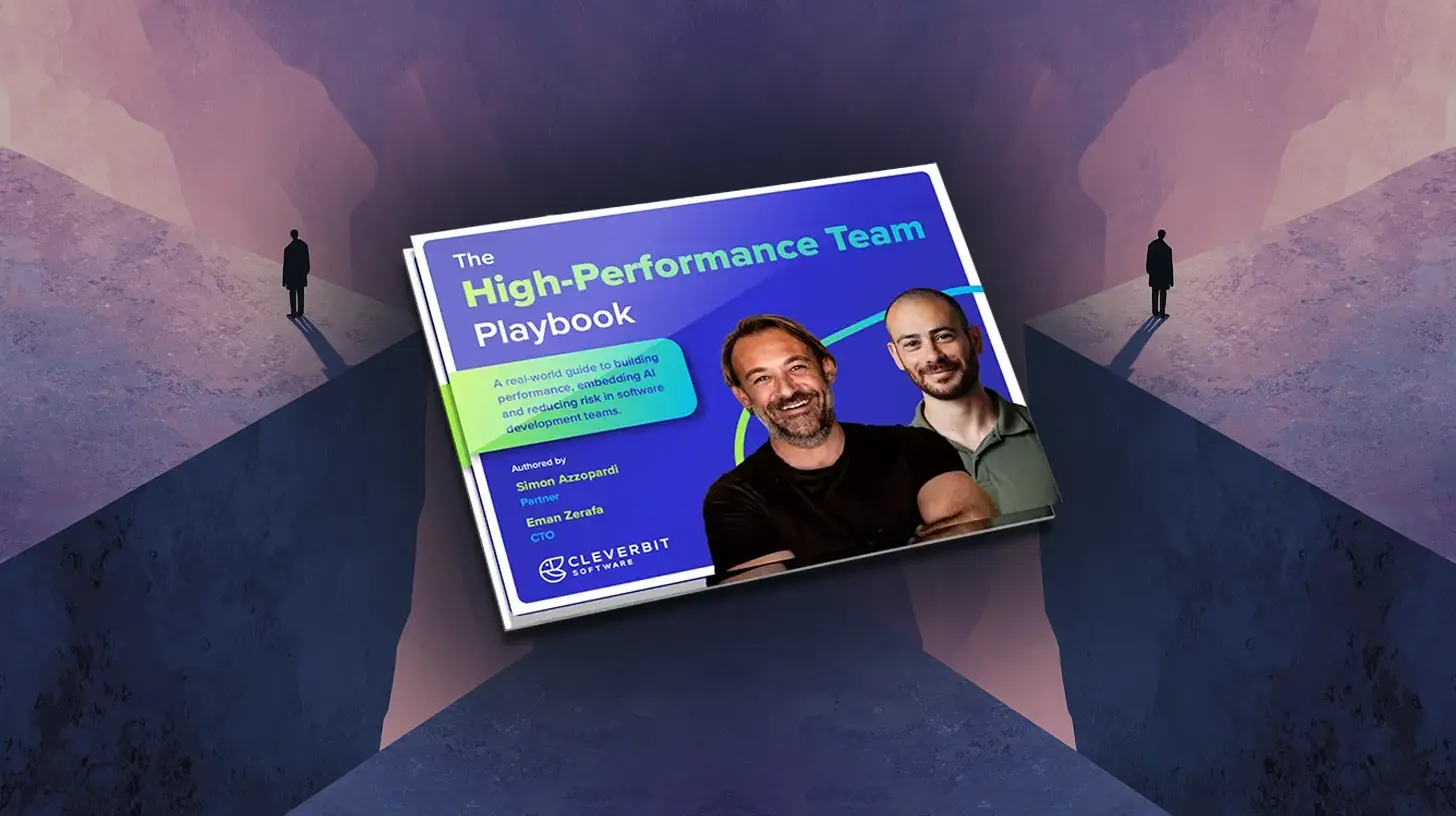
Most engineering teams don't fail because of bad engineers. They fail because performance is assumed. This is a critical insight from the High-Performance Team Playbook, a resource designed for leaders who want to move beyond guesswork and build teams that consistently deliver. The playbook provides practical, opinionated advice drawn from real experience at enterprise scale, focusing on the four pillars of team success: people, structure, leadership, and AI.
The premise is simple: high performance must be engineered just as carefully as the software the team produces. When leadership assumes that hiring talented individuals is enough, they overlook the systemic factors that turn individual brilliance into collective failure. Misaligned incentives, unclear ownership, poor communication, and a lack of trust can cripple even the most skilled group of engineers. This playbook addresses each of these areas with concrete strategies.
Building Ownership, Trust, and Clarity
The foundation of any high-performance team is a culture of ownership. Engineers need to feel responsible not just for their code, but for the outcomes it delivers. The playbook outlines practices for setting clear expectations, defining areas of responsibility, and empowering team members to make decisions. Trust is the lubricant that makes this work—when team members trust each other and their leaders, they take smart risks and hold themselves accountable. Clarity around goals, roles, and processes removes ambiguity that leads to friction and wasted effort.
One of the key challenges in scaling engineering organizations is maintaining this culture as the team grows. The playbook offers specific guidance on how to preserve ownership and trust when moving from a small, agile group to a larger, more structured department. It emphasizes the importance of transparent communication, regular feedback loops, and leadership modeling the behaviors they want to see.
Hiring and Retaining for Performance, Not Comfort
Traditional hiring often focuses on technical skills and cultural fit in a way that prioritizes comfort over performance. The playbook argues that teams should hire for growth mindset, resilience, and the ability to operate in high-ambiguity environments. It provides frameworks for structuring interviews to assess these traits, as well as strategies for onboarding that accelerate contribution without burning people out. Retention is equally important; the playbook addresses how to keep top performers engaged by offering challenging work, clear career progression, and an environment where they feel their contributions matter.
It also tackles the uncomfortable reality that sometimes, low performers must be let go to protect the team's culture and output. The playbook provides a compassionate but firm approach to performance management, ensuring that underperformance is addressed early and decisively.
Structuring Teams That Scale Without Bureaucracy
As organizations grow, the natural tendency is to add layers of management and process, which can stifle innovation and slow delivery. The playbook presents alternative structures, such as agile tribes, squads, and enablement teams, that allow for autonomy while maintaining alignment. It emphasizes the importance of clear communication channels, lightweight governance, and decision-making rights that stay close to the work. The goal is to create a structure that adapts to changing needs rather than ossifying into a rigid hierarchy.
Case studies from teams that have successfully scaled without losing velocity illustrate the principles. These examples show how to balance the need for coordination with the need for speed, using tools like APIs between teams, shared metrics, and cross-functional collaboration.
Using AI as a Force Multiplier (Without Losing Control)
Artificial intelligence is rapidly becoming an integral part of the engineering toolkit. The playbook explores how teams can leverage AI to automate routine tasks, improve code quality, and accelerate learning. However, it also warns against the pitfalls of blind adoption. AI can produce incorrect or biased results, and if teams rely on it without proper oversight, they can introduce vulnerabilities and technical debt. The playbook provides a framework for integrating AI responsibly: identify high-value use cases, validate outputs, and maintain human judgment for critical decisions. It also touches on how AI can assist in team management, such as analyzing communication patterns to identify bottlenecks or suggesting optimal work assignments.
Measuring What Actually Drives Long-Term Results
Finally, the playbook addresses measurement. Many teams track vanity metrics like lines of code or number of commits, which do not correlate with business outcomes. Instead, it recommends focusing on metrics that reflect real impact: cycle time, deployment frequency, change failure rate, and mean time to recovery (the DORA metrics). These provide a clear picture of delivery effectiveness. For team health, it suggests measuring engagement, burnout risk, and psychological safety through regular surveys. The playbook emphasizes that measurement should drive improvement, not punishment, and that teams should regularly review and adjust their metrics as they evolve.
The High-Performance Team Playbook is a practical guide for engineering leaders at any stage. It combines theory with real-world examples from teams that have built, scaled, and handed over engineering functions at enterprise level. Every recommendation is tested under the pressure of actual delivery. By adopting these principles, teams can move from a culture of assumed performance to one of intentional, sustained excellence.
In today's competitive landscape, the ability to build and maintain a high-performance engineering team is a strategic advantage. The playbook offers a roadmap for achieving that, addressing the human, structural, and technological dimensions of team success. It reminds us that great teams are not born; they are built, one intentional decision at a time.
Source:Help Net Security News