

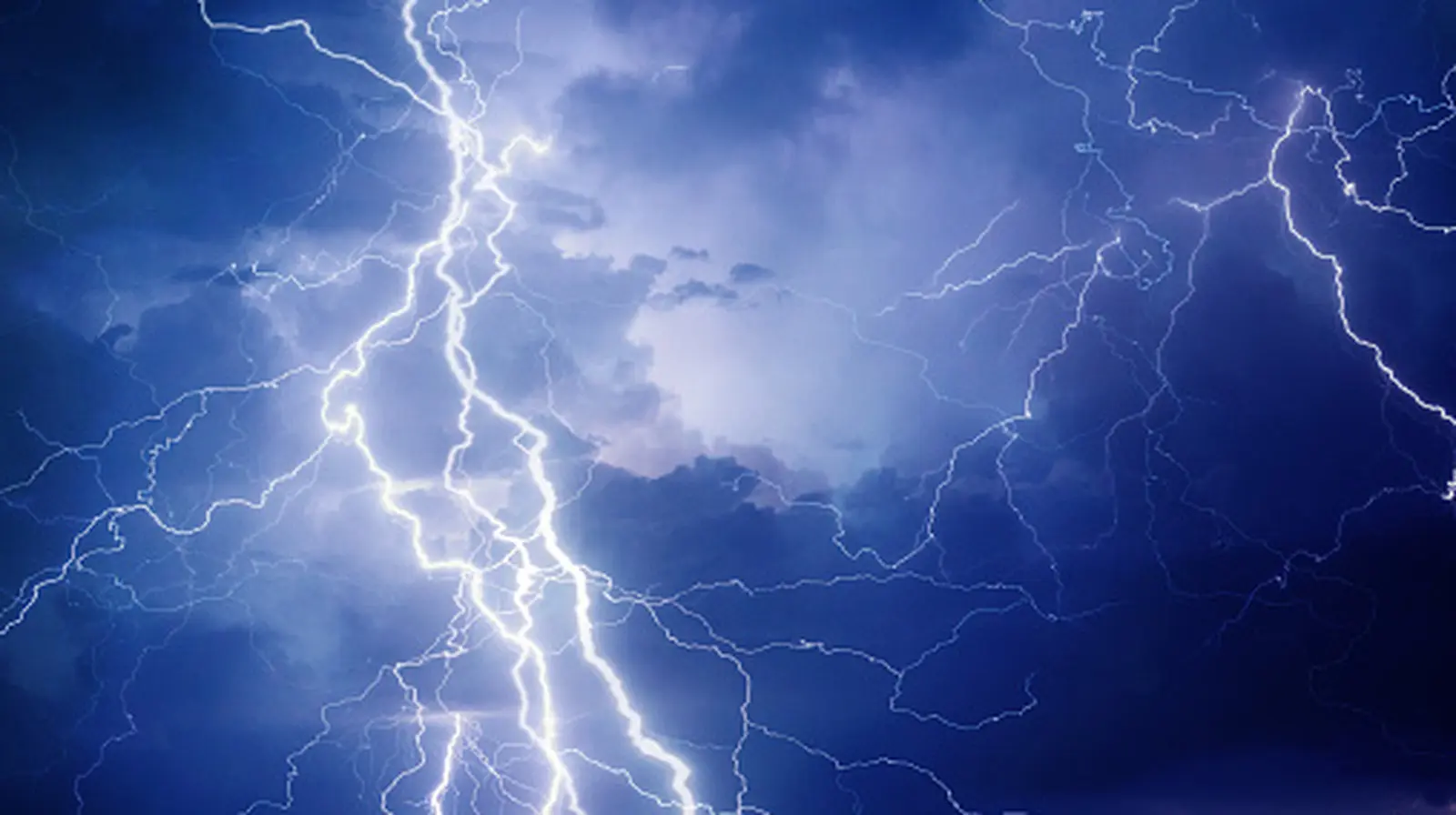
Every year, the United States experiences approximately 100,000 thunderstorms, affecting every state and occurring at any time of day. Most common during the warmer months, these storms form when three ingredients combine: moisture, unstable air, and a lifting mechanism. While the National Weather Service notes that only about 10% of these storms are classified as severe, even non-severe storms can pose a significant threat to your home's electronics. The primary danger comes from lightning-induced power surges, which can travel through electrical wiring and destroy any device that is plugged in, even if the lightning strikes nearby rather than directly hitting your home.
According to the National Centers for Environmental Information, storm-related damage in the United States totaled over $46 billion in 2024. Filing an insurance claim for such damage is something most homeowners wish to avoid, especially when the loss involves expensive electronics that may not be fully covered. Taking proactive steps—like unplugging key devices before a storm arrives—can prevent costly repairs or replacements. Below, we detail five categories of items you should unplug when thunder and lightning approach your neighborhood.
TVs and Gaming Systems
Your television and gaming consoles represent substantial financial investments. The average American expects to spend about $1,177 on a new TV, making it one of the most expensive electronics in the home. Gaming systems are not cheap either: a Nintendo Switch 2 currently costs $449.99 (with a planned price increase to $499.99 in the fall), and a PlayStation 5 retails for at least $599. A power surge caused by lightning can not only destroy these devices but also void any manufacturer's warranties, leaving you with no recourse.
When a thunderstorm is on the horizon, turn off your TVs and gaming systems and unplug them from the wall. If your entertainment center hides cables, consider using a power strip with built-in surge protection. However, most experts recommend unplugging the power strip itself as an extra precaution. If you are away from home and cannot unplug devices, a quality surge protector may offer some defense, but it is not foolproof against direct strikes. For those at home during a storm, unplugging a single power strip is far easier than disconnecting each device individually.
Desktop Computers
Desktop computers are especially vulnerable during thunderstorms. Even if you are tempted to keep working, the Centers for Disease Control and Prevention (CDC) advises against touching anything connected to an electrical outlet during a storm, including your computer. Laptop users are safer because laptops can run on battery power when unplugged, but desktops rely entirely on a constant connection to the wall.
To protect your desktop setup, shut down the computer and then unplug all components: the tower, monitor, keyboard, mouse, modem, router, printer, and any external drives. If these are all connected to a single power strip, simply unplug that strip from the wall. Power surges, even from indirect lightning strikes, can damage delicate circuitry such as the motherboard. Replacing a motherboard often requires a new power supply or processor, escalating repair costs significantly. In many cases, the damage caused by a surge can be more expensive to fix than the original cost of the device.
Kitchen Appliances
Small kitchen appliances—like toasters, coffee makers, mixers, air fryers, and even microwaves—are often overlooked during storm preparations. Yet these items contain complex electronic components, including digital displays and internal circuits, that are highly susceptible to power surges. Unlike major appliances like refrigerators and stoves, which are typically built with more robust surge protection, smaller appliances lack such safeguards.
When thunder rumbles, unplug all small countertop appliances. A power surge can damage their internal circuitry, making them malfunction or become fire hazards. In fact, experts recommend unplugging toasters and coffee makers even when not in use to reduce the risk of electrical fires. While your primary concern may be expensive electronics like TVs, remember that small appliances are often more vulnerable because of their minimal built-in protection. Leave major appliances like the refrigerator plugged in to prevent food spoilage, but if you are evacuating for a severe weather event, unplug everything except the refrigerator until you return.
Smart Home Devices
Modern homes are filled with smart devices: doorbell cameras, smart thermostats, voice assistants like Amazon Alexa, smart plugs, robot vacuums, and streaming devices. These gadgets rely on constant internet and power connections, making them prime targets for power surges traveling through cables, Ethernet lines, or satellite connections. Even if a device is turned off, it often still draws a small amount of standby power, which can conduct a surge into its sensitive electronics.
To protect your smart home ecosystem, unplug any hub or controller (e.g., Amazon Echo, Google Nest Hub) and all streaming devices. Doorbell cameras are difficult to unplug, but they are wired directly into your home's electrical system, so they may be at risk. If possible, disconnect the power to the doorbell at the breaker before a severe storm. Smart plugs, which are used to automate lamps and appliances, should also be unplugged. While losing the convenience of these devices during a storm is inconvenient, the cost of replacing a damaged smart hub can run into hundreds of dollars.
Air Conditioning Units
Air conditioning systems—whether central AC or window units—are particularly vulnerable during thunderstorms, especially on hot, humid summer evenings when storms are common. Central air conditioners have external compressors and internal control panels that can be severely damaged by a power surge. If lightning strikes your home or even the utility lines, the surge can destroy the compressor, which may cost nearly as much to replace as installing a new system. Additionally, debris carried by high winds can block airflow to the external unit, causing further damage.
The best practice is to turn off the central AC system at the thermostat before the storm arrives. Avoid using it again until the storm has passed entirely. Window units are less likely to be struck by lightning directly, but they are still susceptible to surges through the electrical outlet. You can leave a window unit plugged in if it is difficult to remove, but be sure to turn it off. Unplugging it is safer if possible. Remember, even if the storm does not cause a direct strike, the electrical surge from a nearby lightning bolt can still travel through the grid and damage your AC's circuitry.
By taking these five simple precautions before a storm hits, you can safeguard your home's valuable electronics and reduce the risk of costly repairs. Severe thunderstorms may be unpredictable, but your preparation does not have to be.
Source:SlashGear News