

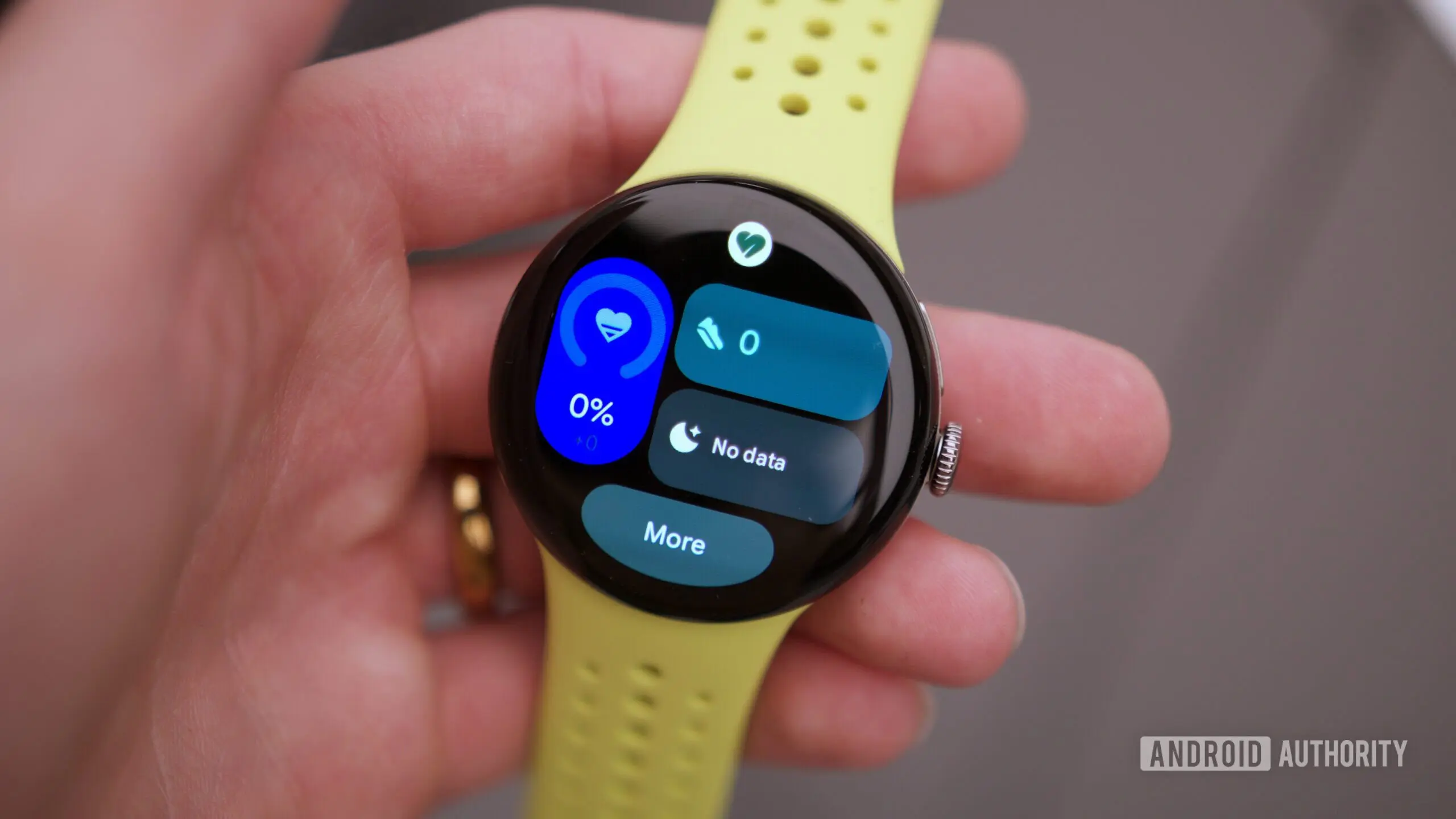
Google has officially unveiled the Pixel Watch 5, and alongside the new hardware, the company is making one of its most significant safety innovations available to existing Pixel Watch 4 owners. Breathing Emergency Detection, part of Google's new Health Guardian suite, is designed to detect when a wearer may have stopped breathing and automatically call for help. This feature is already rolling out to Pixel Watch 4 and Pixel Watch 5 devices in several European countries, though users in the United States will need to wait a bit longer.
Key Facts About Breathing Emergency Detection
- Availability: Pixel Watch 4 and Pixel Watch 5 users in the UK, Germany, France, Ireland, Austria, Denmark, the Netherlands, Norway, Sweden, and Switzerland can now access the feature.
- Function: It uses AI to analyze heart rate, motion, altitude, and blood oxygen signals to detect a potential breathing emergency, then automatically contacts emergency services if the wearer doesn't respond.
- Target Scenarios: Designed for situations like severe pneumonia, accidental drug overdose, and choking, where a person may be unable to call for help themselves.
- Opt-in Nature: The feature is optional and requires the user to enable it, with availability depending on local emergency-service support.
- US Delay: Google confirms the US is not on the initial list but says it is working to expand availability to more countries.
What Is Breathing Emergency Detection?
Breathing Emergency Detection is a new health and safety tool that goes beyond typical smartwatch fitness tracking. It continuously monitors physiological signals to identify situations where a severe drop in blood oxygen levels might leave the wearer unable to seek assistance. The feature is especially relevant for medical emergencies such as a sudden asthma attack, opioid overdose, respiratory failure, or choking incident.
Google's implementation relies on a sophisticated AI-based algorithm that fuses data from multiple sensors embedded in the watch. By analyzing heart rate patterns, motion signals, altitude changes, and blood oxygen saturation, the system can distinguish between a genuine breathing emergency and common non-emergency conditions. Importantly, Google has programmed the algorithm to check that the wearer is in a low-motion state and not experiencing rapid altitude shifts, which helps eliminate false alarms during activities like climbing stairs or flying.
Another critical safeguard involves sleep detection. The feature will not trigger if the watch determines the person has been asleep for more than 30 minutes, reducing the likelihood of it being activated during normal apnea episodes. This careful calibration is part of Google's broader effort to make health alerts reliable and minimize unnecessary panic.
How the Emergency Alert Process Works
When the watch suspects a breathing emergency, it begins a phased alert sequence designed to give the wearer every chance to respond before contacting emergency services.
The first stage consists of a strong vibration and a full-screen warning message on the watch display. If the wearer is conscious and able to interact, they can dismiss the alert and stop the process. However, if there is no response, the watch escalates by playing an audible tone and starting a 30-second countdown.
Should the wearer remain unresponsive after the countdown, the watch automatically places a call to local emergency services. This call can be made directly from an LTE-enabled Pixel Watch or through a connected companion phone. Once the call connects, an automated message provides the operator with critical details: that a breathing emergency was detected, that the wearer is not responding, and the wearer's precise location. If the user has configured emergency contacts, those individuals also receive a notification, allowing family members or friends to follow up quickly.
Building on a Legacy of Safety Features
Breathing Emergency Detection is not Google's first attempt at using wearable technology to protect users. The Pixel Watch series has previously introduced features like fall detection, which was launched with the original Pixel Watch, and abnormal heart rhythm notifications that alert users to potential signs of atrial fibrillation. These tools have established the Pixel Watch as a proactive health companion, and the new Health Guardian suite aims to integrate multiple safety layers into a cohesive system.
The concept of automated emergency detection is not entirely new in the wearable industry. Apple Watch introduced fall detection several years ago and later added crash detection, which uses GPS and accelerometer data to identify car accidents. However, Google's Breathing Emergency Detection addresses a specific and often overlooked problem: respiratory emergencies that render a person incapacitated. By focusing on oxygen saturation and breathing patterns, Google is targeting a gap in existing wearable safety technology.
Medical experts have long emphasized the importance of timely intervention in cases of severe respiratory distress. For individuals living alone or in remote areas, the ability to send an automatic alert could mean the difference between life and death. Google says the feature was developed in collaboration with internal medicine doctors, cardiologists, anaesthesiologists, emergency medical experts, public health leaders, and even professional emergency services. This multidisciplinary approach ensured that the algorithm was tested against a wide range of scenarios, including medically supervised simulations in clinical labs and hundreds of thousands of hours of real-world sensor data.
Privacy and User Control
Given the sensitive nature of health data, Google has implemented several measures to ensure privacy and give users control. Breathing Emergency Detection is strictly opt-in, meaning users must manually enable it in the watch's settings. The AI analysis is performed on-device whenever possible, reducing the need to send sensitive health data to the cloud. Emergency calls and notifications are only generated if the feature is turned on and an actual emergency is detected.
Users can also configure whether they want to share location information and which emergency contacts should be notified. Google emphasizes that the feature is not a substitute for professional medical care and should be used as a supplemental safety net. The company encourages users to continue seeking appropriate medical treatment for underlying conditions such as asthma, sleep apnea, or chronic obstructive pulmonary disease (COPD).
Privacy advocates are likely to welcome the on-device processing approach, especially at a time when health data is increasingly exploited for commercial purposes. By keeping sensor data local, Google reduces the risk of data breaches and unauthorized access. The opt-in nature also ensures that individuals who do not wish to be monitored can simply leave the feature disabled.
Expanding to More Countries
The initial rollout includes the United Kingdom, Germany, France, Ireland, Austria, Denmark, the Netherlands, Norway, Sweden, and Switzerland. These markets were chosen because their local emergency infrastructure is capable of supporting automated calls and location transmission. Google has not specified a timeline for availability in the United States, but the company says it is actively working with emergency service providers and health authorities to expand the feature's reach.
It is worth noting that regulatory requirements and emergency call handling standards vary significantly across countries. In some regions, automated emergency calls are already common, while others require more complex integration with local call centers. Google's cautious rollout suggests a commitment to ensuring that the system works reliably before introducing it to new markets.
For Pixel Watch users in countries that are not yet supported, the feature can be manually disabled, but Google promises that the list of participating nations will grow over time. The company is also expected to continue refining the algorithm using new data from the current deployment, which could lead to improved accuracy and even new safety features in the future.
What This Means for Wearable Health Technology
The ability to detect breathing emergencies represents a significant step forward in wearable health monitoring. Smartwatches have evolved from simple step counters to sophisticated medical devices capable of tracking heart rhythms, blood oxygen levels, and even electrocardiograms. Adding a feature that can autonomously save a life during a respiratory crisis underscores the potential for wearables to become proactive safety companions.
As more people wear smartwatches day and night, these devices are increasingly positioned to act as first responders. Breathing Emergency Detection is particularly valuable for individuals with chronic respiratory conditions, those who take medications that may suppress breathing, or elderly people living alone. The feature also provides peace of mind to family members and caregivers, knowing that an alert would be sent if an emergency occurs.
Google's decision to bring the feature to both the Pixel Watch 4 and Pixel Watch 5 is also noteworthy from a user-experience perspective. It demonstrates a commitment to supporting older devices and ensuring that safety features are not exclusive to the latest hardware. This approach may encourage more users to adopt the Pixel Watch ecosystem, knowing that their investment remains valuable over time.
Final Thoughts on the Feature's Release
Breathing Emergency Detection is now rolling out to Pixel Watch 4 and Pixel Watch 5 users across 10 European countries. With its AI-driven sensor analysis, phased alert system, and automatic emergency call integration, the feature is one of the most advanced safety tools ever offered on a consumer smartwatch. While US users will have to wait, the initial European launch will provide valuable data and feedback to help refine the system. As Google expands availability and continues to develop the Health Guardian suite, wearable safety technology is clearly entering a new era of proactive, life-saving capability.
Source:Android Authority News