

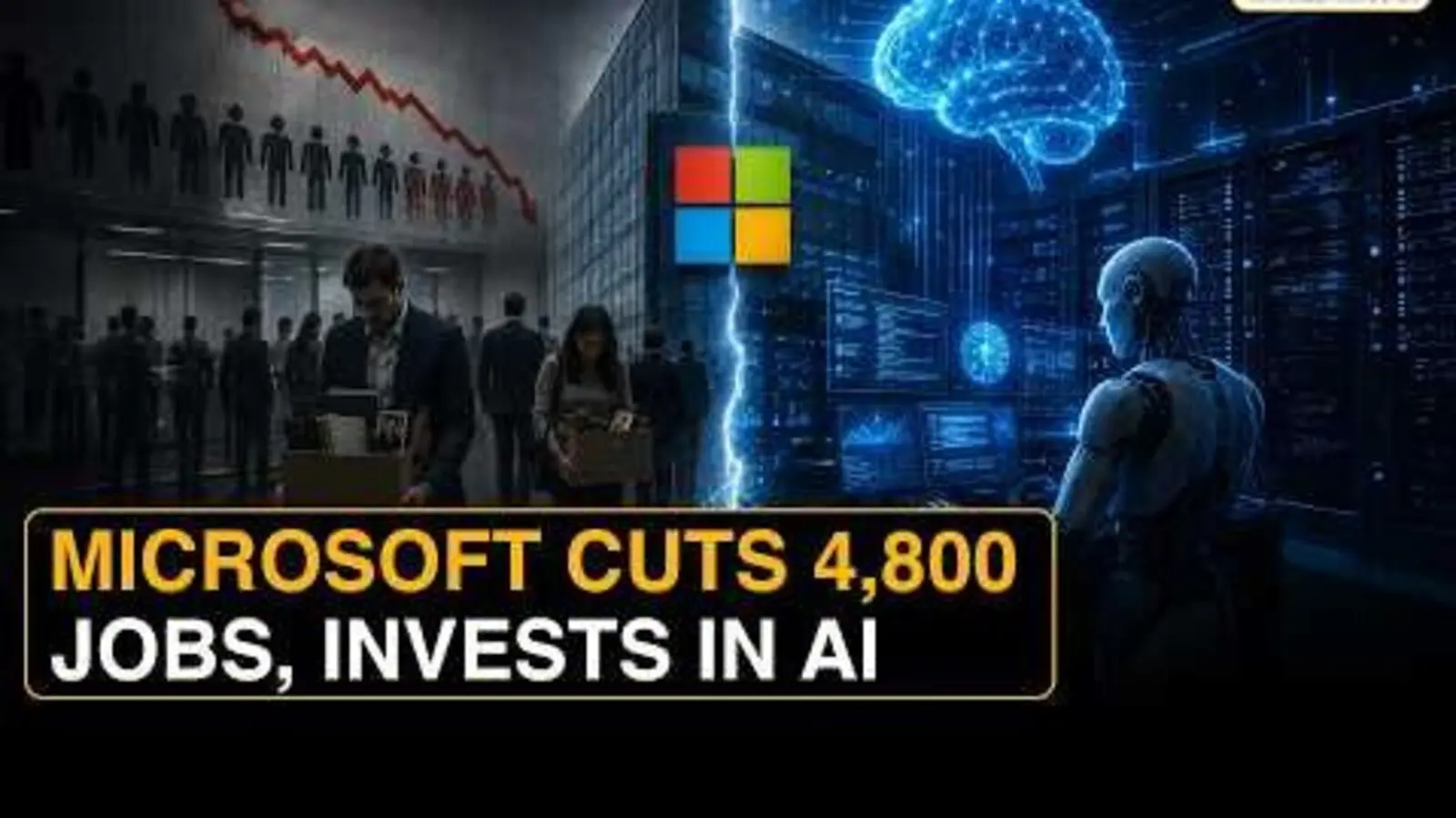
Microsoft has announced plans to eliminate approximately 3,200 positions from its Xbox videogame division as part of a broad restructuring aimed at reversing a prolonged slump in the gaming business. The cuts, which affect roughly one-fifth of the division's total head count, will be executed in two stages: 1,600 employees will be laid off this week, with an additional 1,600 departures spread across the remainder of the fiscal year that began this month.
Major Restructuring Under New Leadership
Xbox Chief Executive Asha Sharma, who took over the division just a few months ago in February 2026, delivered the news in a memo to staff on Monday. In her message, Sharma bluntly stated, “Our business today is not healthy. We must reset XBOX.” The layoffs are just one component of a broader overhaul. Microsoft is also selling or spinning off four of its game development studios and exploring strategic options for a fifth, moves that will remove more than 350 additional people from the company’s payroll.
The restructuring marks a dramatic shift for a division that had expanded aggressively during the pandemic-era gaming boom. Like many tech companies, Microsoft hired heavily to meet surging demand for home entertainment. When the world reopened, that surge reversed, leaving the company with excess staff and underperforming projects.
Financial Pressures Mount
Xbox’s financial results have been deteriorating. Revenue in the quarter ended March 2026 fell 5% compared to the same period a year earlier. The division’s profit margin for the fiscal year that ended in June 2026 was just 3%, a decline from the prior year. These numbers underscore the urgency of Sharma’s turnaround plan.
Microsoft CEO Satya Nadella selected Sharma for the top role at Xbox despite her lack of direct experience in the videogame industry. Her background includes serving as chief operating officer of Instacart, the grocery delivery platform, and earlier roles at companies such as Amazon and Microsoft itself. Nadella’s choice signals a focus on operational efficiency and data-driven decision-making over traditional gaming expertise.
Strategic Pivot: Fewer Games, Bigger Franchises
Sharma’s strategy involves a sharp contraction of Microsoft’s game publishing slate. Instead of trying to compete across dozens of titles, the company will concentrate resources on its most valuable intellectual properties: Minecraft, Candy Crush (acquired through the Activision Blizzard deal), and Fallout. Other games, especially smaller or experimental projects, are being sunset or sold off.
Game Pass, Microsoft’s Netflix-like subscription service, has also been a focus. Last year, a price increase led to a decline in subscribers. In response, Sharma reduced the monthly subscription fee to attract lapsed and new users. Additionally, Microsoft has decided to stop releasing new “Call of Duty” titles directly onto Game Pass on day one. Instead, gamers must purchase those games individually if they want to play them at launch. This change is designed to boost direct sales revenue from one of gaming’s biggest franchises.
The company has also raised prices for its Xbox consoles, citing a worldwide shortage of memory chips driven by soaring demand from the artificial intelligence industry. The same chip constraints have affected competitors Sony and Nintendo, leading to higher hardware costs across the market.
Industry-Wide Turbulence
Microsoft’s layoffs are part of a broader pattern of downsizing across the gaming industry. Over the past two years, major publishers and developers including Sony, Electronic Arts, Ubisoft, and Riot Games have all announced significant job cuts. The pandemic-era boom created an unsustainable hiring spree, and the subsequent market correction has been brutal. Many companies are now prioritizing profitability over growth, with a renewed focus on proven franchises and live-service models.
Microsoft’s acquisition of Activision Blizzard for $68.7 billion in 2023 was intended to strengthen its position in mobile and console gaming, but integrating such a massive entity has proven challenging. The combined workforce exceeded 20,000 in gaming before the current cuts. The layoffs and studio divestitures are seen as an effort to streamline operations and eliminate redundancies created by that merger.
The PC Gaming Storefront
Beyond consoles, Xbox operates a digital game store for Windows PCs, a platform that has struggled to gain traction against market leader Steam. With fewer first-party titles being developed, Sharma is repositioning Microsoft’s store as a more attractive platform for independent game developers. The company is offering better revenue splits and promotional opportunities to lure indie studios that have long preferred Steam or Epic Games Store. This move could help Microsoft capture a growing segment of the gaming market as traditional blockbuster releases become riskier and more expensive to produce.
Impact on Workforce and Culture
The layoffs have demoralized many employees, especially those who joined during the expansion years with promises of stability and creative freedom. The studio sales and spin-offs have also stirred anxiety about Microsoft’s long-term commitment to game development. Some analysts question whether the company will eventually become a pure distributor rather than a creator of games, a model more akin to a platform holder like Valve than a traditional publisher.
Nevertheless, Microsoft remains a giant in the industry through its ownership of iconic franchises, its Xbox hardware ecosystem, and its growing cloud gaming ambitions via Xbox Cloud Gaming (formerly xCloud). The restructuring under Sharma is designed to make the division leaner and more focused, but the path to recovery will require sustained execution and a willingness to adapt to rapidly changing consumer habits.
For now, the gaming industry watches closely as one of its largest players undertakes a dramatic reset—one that could redefine Microsoft’s role in entertainment for years to come.
Source:mint News