

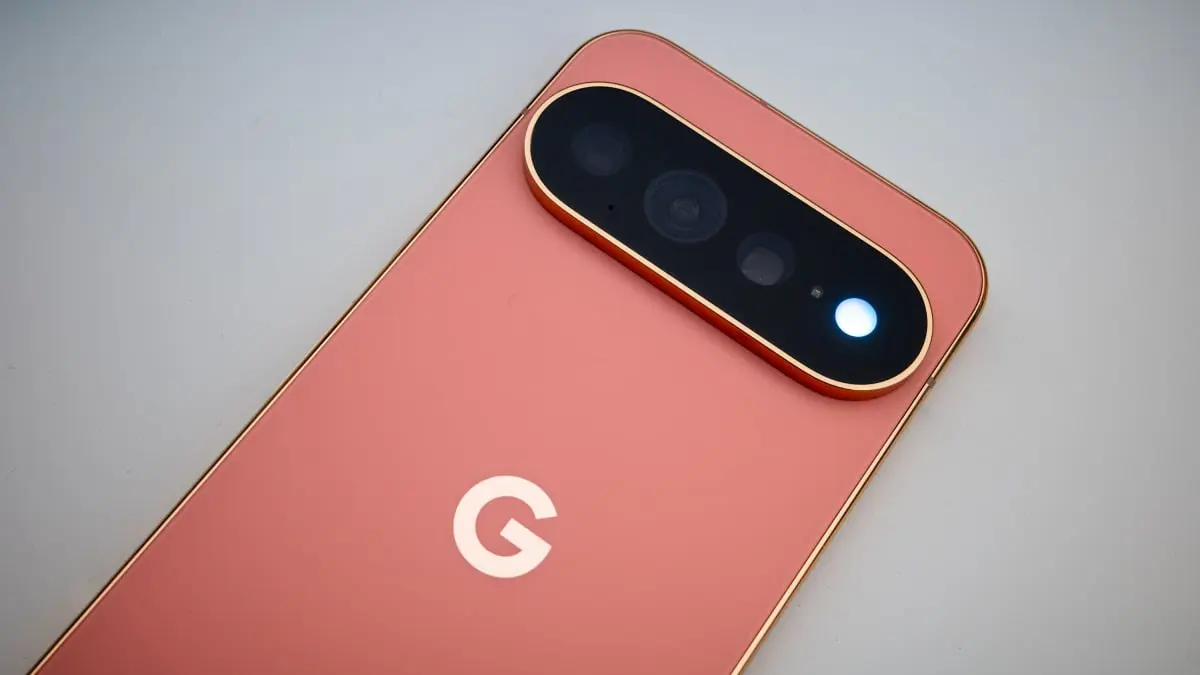
In an era when smartphone upgrades often feel like minor refinements, Google has introduced a feature that stands out with the Pixel 11 Pro. The new device, unveiled at the company's Made by Google event on Wednesday, adds a small multicolored light to the camera bar — called HiLight — along with a next-generation Tensor G6 processor, improved camera hardware, and a brighter display. The Pixel 11 Pro builds on last year's Pixel 10 Pro in meaningful ways, while also carrying a higher starting price that reflects a shift in storage configurations.
Price and storage options
The Pixel 11 Pro starts at $1,099, which is $100 more than the Pixel 10 Pro's launch price. However, that price increase is accompanied by a change in base storage. The Pixel 10 Pro's $999 model featured 128GB of storage, but the 11 Pro eliminates that option entirely. Instead, the entry-level Pixel 11 Pro comes with 256GB of storage, making the higher upfront cost more understandable. For users who need even more space, there are 512GB and 1TB variants as well.
This pricing strategy positions the Pixel 11 Pro firmly in premium flagship territory, competing with the likes of Apple's iPhone Pro lineup and Samsung's Galaxy S series. The removal of the 128GB tier suggests that Google is confident that consumers are willing to pay more for higher capacity, especially as photos, videos, and AI-generated content continue to consume storage. It also simplifies the lineup: rather than offering a cheaper model with less storage, Google now ties the price to the storage tier more directly.
Design, display, and colors
The Pixel 11 Pro maintains the distinctive design language of its predecessor, with a polished metal frame and a horizontal camera bar that has become a signature of the Pixel line. It is available in four colors: Canyon, Obsidian, Fog, and Olive. The color options offer a mix of bold and subdued tones, giving users a choice between natural earthy shades and more classic black and gray finishes.
The display is a 6.3-inch panel with a resolution of 1280x2856 and a 1-120Hz adaptive refresh rate. This allows for smooth scrolling and fluid animations when needed, while conserving battery life by dropping to as low as 1Hz for static content. One of the key upgrades this year is peak brightness, which has been increased from 3,300 nits on the Pixel 10 Pro to 3,600 nits. This makes the display easier to read in direct sunlight and improves HDR content playback. The adaptive refresh rate combined with the higher brightness should make the phone feel snappier and more visually impressive in everyday use.
Performance and the Google Tensor G6
At the heart of the Pixel 11 Pro is the Google Tensor G6, the latest custom chip from Google. Tensor chips are designed specifically for Pixel devices, with a focus on AI and machine learning tasks rather than raw benchmark performance. The G6 continues that tradition, offering improvements in on-device AI processing, natural language understanding, and computational photography.
One of the new AI features enabled by the Tensor G6 is Magic Capture. This feature scans videos to find the "perfect" frame and automatically converts it into a still image. The phone can crop, adjust, and deblur the selected frame to produce a high-quality photo. This could be particularly useful for parents trying to capture the perfect expression of a child in motion, or for sports enthusiasts who want a clean shot from a fast-moving sequence. The feature works on-device, meaning that no internet connection is required and videos do not need to be uploaded to the cloud.
In addition to Magic Capture, the Tensor G6 is expected to improve overall system performance, with faster app launches, smoother multitasking, and better thermal efficiency. Google has also been working on on-device language models that can power more natural interactions with the Google Assistant and Gemini, the AI assistant platform that has become central to Google's Pixel experience. The inclusion of 12GB or 16GB of RAM depending on the storage tier ensures that the device can handle heavy AI workloads and future updates.
Camera system: Hardware and software
The Pixel series has long been known for exceptional camera quality, and the 11 Pro is no exception. On the rear, the phone features a 50MP wide camera, a 48MP ultra-wide camera, and a 48MP telephoto camera with 5x optical zoom. The front-facing camera is a 42MP sensor, a significant upgrade that should deliver sharper selfies and better video calls.
The combination of sensors allows for greater versatility in photography. The 48MP telephoto lens with 5x optical zoom is particularly useful for capturing distant subjects without loss of quality. The ultra-wide camera can fit more into the frame, making it ideal for landscapes and group shots. Google's computational photography algorithms, which have been developed over many generations, work in the background to enhance dynamic range, reduce noise, and improve color accuracy.
With the Tensor G6, the camera system gains the ability to process images even more quickly. Features like Night Sight, Super Res Zoom, and Magic Eraser are expected to benefit from the improved AI capabilities. For video recording, the phone can handle high-resolution capture with enhanced stabilization, making it easier to shoot smooth, professional-looking footage.
Introducing HiLight: A new way to stay informed
The most novel addition to the Pixel 11 Pro is HiLight, a small multicolored light embedded in the camera bar. This feature, which had been rumored under the name "Pixel Glow," serves as a notification indicator when the phone is face down. It is designed to give users a subtle visual cue without needing to pick up the phone or turn it over.
HiLight can be programmed to light up in different colors depending on the event. For example, if someone in your contacts is calling, the light will illuminate in a color you have assigned to that person. It can also activate when Gemini is being used, signaling that the AI assistant is listening or processing a request. Users can go into the contacts app and set custom colors for different individuals, adding a personal touch to the notification system.
The feature is exclusive to the Pixel 11 Pro and Pixel Fold devices, meaning the base Pixel 11 model does not include it. This is a deliberate differentiation strategy, giving the more premium devices an additional hardware feature that sets them apart. While the utility of a notification light might seem old-fashioned in an era of always-on displays and smartwatches, it offers a unique benefit: the ability to check the phone's status at a glance without touching it. This could be particularly appealing in meetings, during meals, or in any situation where flipping the phone over is a natural behavior.
Battery life and charging
The Pixel 11 Pro is equipped with a 4,850mAh battery. This capacity is slightly larger than average for a 6.3-inch phone, and combined with the efficiency of the Tensor G6 and the adaptive refresh rate display, it should comfortably last a full day of moderate to heavy use. Google has not yet provided exact charging speeds, but the phone is expected to support fast wired and wireless charging. The larger battery capacity is a welcome improvement, as previous Pixel devices have sometimes struggled to keep up with more demanding users.
Market context and availability
The Pixel 11 Pro enters a crowded and competitive smartphone market. Apple's iPhone Pro models continue to dominate the premium segment, while Samsung's Galaxy S series offers a wide range of choices. The Pixel's key differentiator has always been its software experience, particularly the combination of stock Android, exclusive AI features, and regular updates. With the Tensor G6 and features like Magic Capture and HiLight, Google is leaning even further into its strengths in machine learning and user-centric hardware design.
The $1,099 starting price puts the Pixel 11 Pro in the same league as the iPhone 16 Pro Max and the Galaxy S25 Ultra, though those phones have larger screens and different feature sets. The decision to start at 256GB of storage makes the price comparison more favorable than it initially appears, since many competing phones start at 128GB for a similar price. For users who value camera quality, clean software, and cutting-edge AI features, the Pixel 11 Pro is a compelling option.
Pre-orders are expected to open shortly, with availability in multiple markets around the world. Google is likely to offer various trade-in deals and carrier promotions to make the premium price more accessible. T-Mobile, for example, has already announced a promotion that could make the Pixel 11 Pro free for eligible customers. As always, the real test will be how the phone performs in real-world use, and we plan to provide thorough reviews in the near future.
Source:Mashable News