

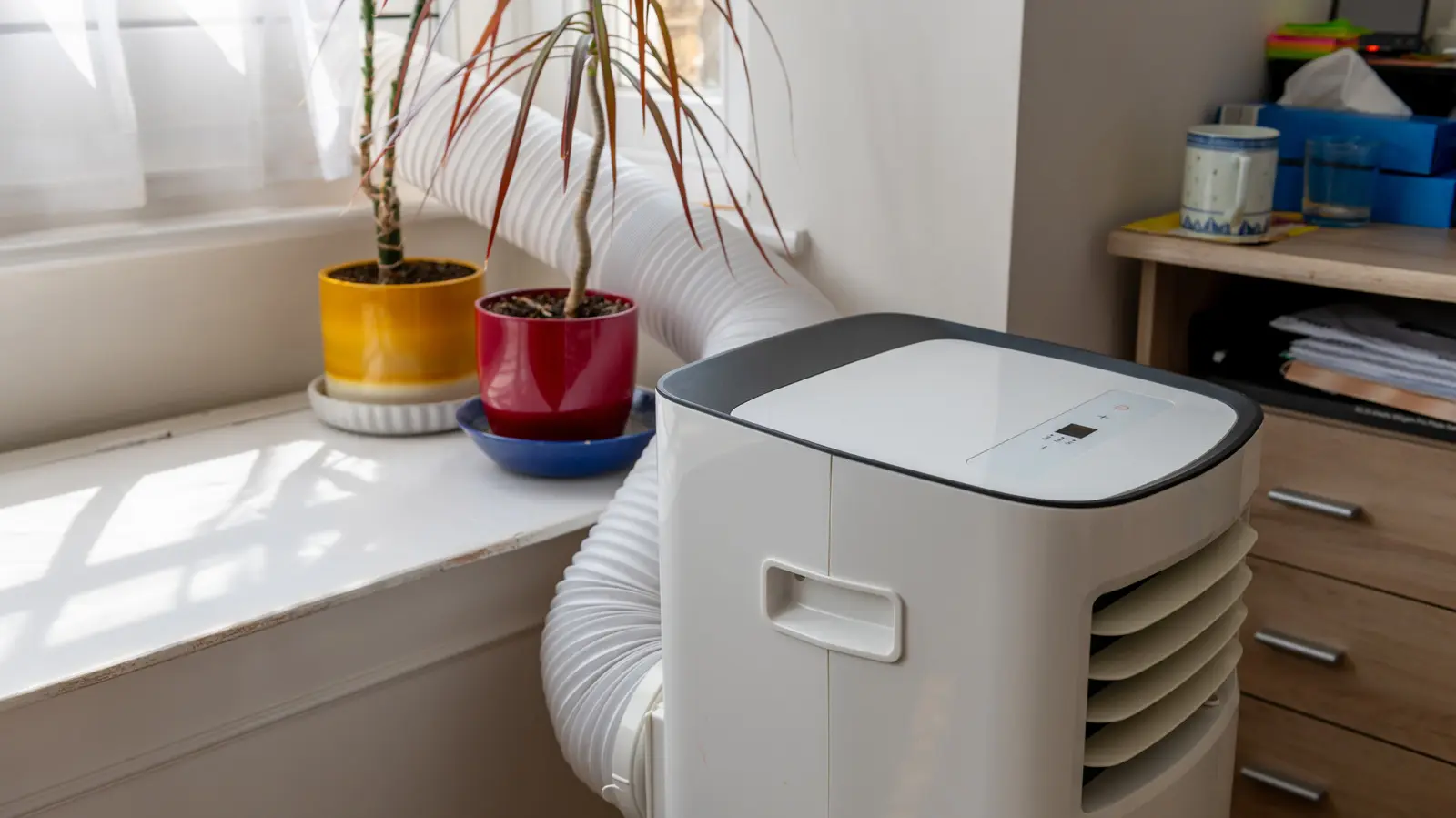
Understanding Portable Air Conditioner Venting
Portable air conditioners have become a popular cooling solution, especially for renters and those who cannot install permanent window units. The convenience of a single, movable appliance that can be wheeled from room to room is appealing. However, one common question arises: do all portable air conditioners require a vent? The short answer is no, but it depends entirely on the type of cooling technology used. This article explores the two main categories—refrigerant-based and evaporative coolers—and explains why venting is necessary for some but not others.
The portable air conditioning market has grown significantly over the past decade. According to industry reports, portable units accounted for nearly 20% of the total room cooling market in 2025. This growth is driven by their flexibility, ease of installation, and improved features such as dual-hose operation, smart controls, and energy-efficient inverters. Yet, many consumers are unaware of the critical difference between vented and ventless systems, which can lead to improper use and disappointment.
Refrigerant-Based Portable ACs: How They Work
Most portable air conditioners on the market are refrigerant-based. These appliances use a vapor-compression cycle that absorbs heat from inside a room and transfers it outside. The process begins when warm indoor air is drawn over evaporator coils containing a cold refrigerant. The refrigerant absorbs the heat, evaporating into a gas. This gas is then compressed by a compressor, raising its temperature further. The hot, high-pressure gas flows to condenser coils, where a fan blows the heat out of the unit through an exhaust hose. The refrigerant then condenses back into a liquid and expands, cooling down again before repeating the cycle. The cooled air is blown back into the room, while the extracted heat is expelled outdoors.
Because these units remove heat from the room, they must vent that heat outside. Without a vent, the hot air would simply recirculate into the space, counteracting the cooling effect. Venting is typically done through a window kit that seals the exhaust hose to the window frame, ensuring the hot air escapes outside. Some high-end models use two hoses—one for intake and one for exhaust—which improves efficiency by not using conditioned room air for cooling the condenser.
Refrigerant-based portable ACs also remove moisture from the air, acting as dehumidifiers. As air passes over the evaporator coils, water vapor condenses into liquid. This water is collected in an internal drain pan or reservoir. Many modern units have a self-evaporation feature that expels the moisture out of the exhaust hose along with the hot air, minimizing the need for manual draining. However, in very humid conditions, the drain pan might still need attention.
Evaporative Coolers: The Ventless Alternative
Evaporative coolers, also sometimes called swamp coolers, offer a ventless cooling option. These devices do not use compressors or refrigerants. Instead, they rely on the natural process of water evaporation to lower air temperature. A fan draws warm, dry air through moistened pads (often made of cellulose or aspen fiber). As water evaporates from the pads, it absorbs heat energy from the air, cooling it down. The cooled, humidified air is then blown into the room.
Because evaporative coolers add moisture to the air and do not generate heat, they do not require an exhaust vent. In fact, they often work best when a window or door is slightly open to allow stale air to escape and fresh air to enter, but this is not a sealed vent requirement. The lack of a compressor makes these units lighter, quieter, and more energy-efficient than refrigerant-based systems. They are also generally less expensive to purchase and maintain.
However, evaporative coolers have a significant limitation: they are only effective in dry climates. The cooling power depends on the rate of evaporation, which is hindered by high humidity. According to the U.S. Geological Survey, an evaporative cooler can reduce air temperature by up to 20 degrees Fahrenheit, but only when the relative humidity is very low. In humid regions, the temperature drop is minimal, and the added moisture can make the room feel uncomfortable. Testing by The New York Times showed that commercial swamp coolers increased indoor humidity by about 3% for every 1 degree of cooling. This makes them unsuitable for the eastern half of the United States, where summer humidity is often high.
Why Venting Matters for Cooling Efficiency
Understanding the physics behind cooling is essential for selecting the right unit. Refrigerant-based systems move heat from indoors to outdoors. Without a vent, that heat stays inside, negating the cooling effect. Ventless evaporative coolers, on the other hand, do not remove heat; they cool by adding moisture. In dry conditions, this can be effective, but in humid conditions, the cooling effect is lost.
The efficiency of refrigerant-based portable ACs is often measured by their Energy Efficiency Ratio (EER) or Seasonal Energy Efficiency Ratio (SEER). Dual-hose models tend to be more efficient than single-hose versions because they draw air from outside to cool the condenser rather than using conditioned room air. This reduces the negative pressure inside the room, which in single-hose units draws hot air in through gaps and leaks. While single-hose units are cheaper and easier to set up, they can be 10-20% less efficient.
Another factor to consider is the BTU (British Thermal Unit) rating, which indicates cooling capacity. A higher BTU rating means the unit can cool a larger space, but it also consumes more power. For portable units, typical capacities range from 8,000 to 14,000 BTUs. Proper sizing is crucial—a unit too small will run constantly without achieving comfort, while one too large may short-cycle and not dehumidify effectively.
Dehumidifier Mode and Other Features
Many refrigerant-based portable air conditioners include a dehumidifier mode that can run independently of cooling. In this mode, the unit still uses the compressor and evaporator coils to condense moisture from the air, but the fan may run slower and the exhaust heat is not actively removed. However, even in dehumidifier mode, the unit still generates heat, which is typically vented out the exhaust hose. Some units have a separate dehumidifier setting that does not require window venting, but that is uncommon. Most manufacturers recommend using the dehumidifier mode with the vent attached to ensure proper heat removal and prevent overheating.
Modern portable ACs offer smart features like Wi-Fi connectivity, voice control, and programmable timers. The Dreo smart air conditioner AC516S, for example, features self-evaporation and an auto-drain function. Some models also have built-in heater units for year-round use. Despite these advancements, the fundamental requirement for venting in refrigerant-based models remains unchanged.
Choosing the Right Portable AC for Your Climate
Given the differences, choosing between a vented and ventless portable air conditioner depends heavily on location. For those living in dry, arid climates such as the southwestern United States, an evaporative cooler can be an energy-efficient and cost-effective solution. It adds humidity to the air, which can actually be beneficial in dry conditions. In humid climates, however, a refrigerant-based portable AC with proper window venting is the only viable option. The venting setup may seem cumbersome, but modern window kits are designed for quick installation and can be adjusted for various window types.
Portable ACs with exhaust hoses can also be vented through a wall, a drop ceiling, or even a dryer vent, though window venting remains the most common. Consumers should ensure that the exhaust hose is as short and straight as possible to maximize efficiency. Bends and kinks restrict airflow, causing the unit to work harder. Dual-hose models are generally recommended for their improved performance, though they require two window openings or a specialized kit.
In conclusion (but without stating it as such), the choice between a vented and ventless portable air conditioner is clear-cut. Refrigerant-based units require a vent to expel hot air and remove humidity, making them suitable for humid climates. Evaporative coolers, while ventless, only work in dry conditions and add moisture to the air. Understanding these principles helps consumers make an informed decision that matches their cooling needs and environmental conditions.
Source:SlashGear News