

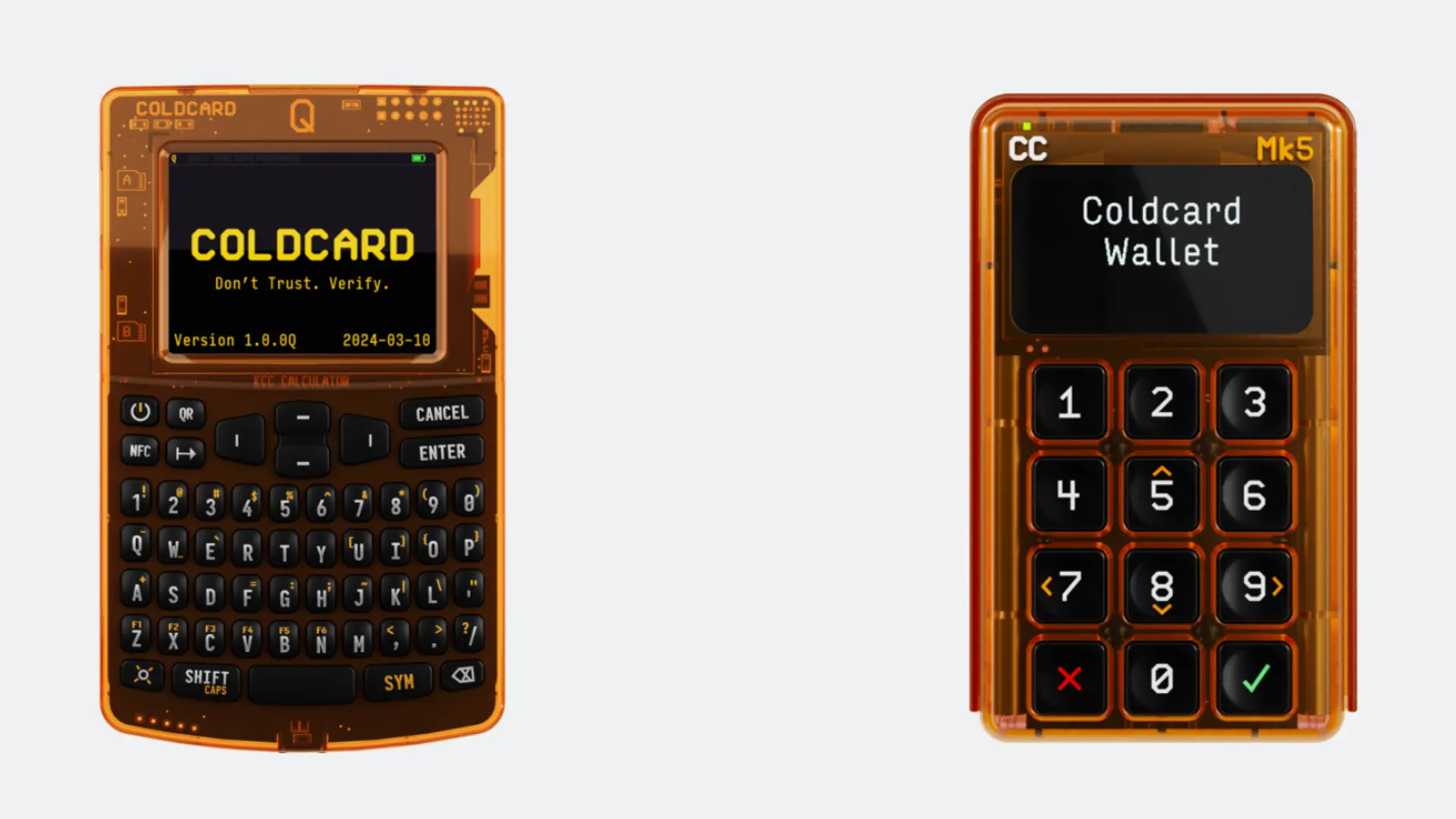
In an unprecedented security alert, the developers of the Coldcard bitcoin hardware wallet have urged users to move their funds immediately, warning that a serious exploit is still ongoing. The vulnerability has already been linked to losses of up to $114 million from self-custodied wallets. The warning comes as a stark reminder that even hardware wallets, long considered the gold standard for secure bitcoin storage, are not immune to sophisticated attacks.
What Is the Coldcard Vulnerability?
Coldcard is a line of bitcoin-only hardware wallets produced by Coinkite, a company known for its focus on security and transparency. The devices are designed to keep private keys offline, isolated from internet-connected computers, and are popular among bitcoin enthusiasts who value full control over their funds. However, the current exploit targets the very foundation of wallet security: the random number generator used to create seed keys.
According to the official advisory, the vulnerability affects devices configured under specific conditions. The issue stems from a flaw in the firmware that has been dormant since 2021. Attackers who exploit this weakness can guess the seed keys of wallets that were created using a poorly randomized process. This allows them to drain funds remotely, even though the private keys are supposedly stored on a hardware device.
Affected Models and Firmware Versions
The vulnerability is not universal across all Coldcard products. The advisory specifically identifies the following as being at risk:
- Coldcard Mk3 devices set up on firmware version 4.0.1 or later
- Coldcard Mk4 devices on older firmware versions
- Coldcard Mk5 devices on older firmware versions
- Coldcard Q devices on older firmware versions
Wallets created using the dice-roll option, which relies on physical randomness generated by dice throws, are considered safe. This option is a manual seed generation method that does not depend on the device's built-in random number generator. For users who created their wallets using the standard device-generated seed, the risk is significantly higher.
How the Exploit Works
The exploit takes advantage of a predictable random number generator in the firmware. When a user creates a new wallet, the device generates a seed phrase that represents the private key. If the random number generator is flawed, the seed phrase may be derived from a limited set of possibilities. Attackers can generate the same set of possible seeds and compare them against bitcoin addresses with balances. Once a match is found, they can steal the funds.
This type of attack is not new in the cryptocurrency world. Similar flaws have been found in other wallets and random number generators over the years. However, the fact that this particular flaw has apparently been exploited at scale, with $114 million in losses, makes it one of the most significant hardware wallet vulnerabilities ever disclosed.
The developers have stated that the flaw has been present in the firmware since 2021, meaning that wallets created over the past five years could be affected. The attack appears to be ongoing, with new losses being discovered even as the warning is issued.
What Users Should Do Immediately
The primary recommendation from the Coldcard team is straightforward: move your bitcoin to a safe wallet immediately. Users who own any of the affected devices should not wait for a patch or a more detailed explanation. The exploit is live, and every moment of delay increases the risk of loss.
For users who believe they may be affected, the recommended steps include:
- Create a new wallet using a trusted device or method, preferably with the dice-roll option or a hardware wallet from a different manufacturer.
- Transfer all bitcoin from the affected wallet to the new wallet in a single transaction or as soon as possible.
- After transferring all funds, do not reuse the old addresses or the old seed phrase.
- If you are unsure whether your device is vulnerable, consider contacting the manufacturer or consulting the official advisory.
It is also important to note that moving funds to an exchange or a software wallet is not necessarily a safe alternative. The safest approach is to use a non-vulnerable hardware wallet or a properly generated paper wallet. For those who value self-custody, the priority is to ensure that the new wallet's seed is generated with true randomness.
The Broader Context of Hardware Wallet Security
This incident has reignited debates about the security of hardware wallets. For years, these devices have been marketed as unhackable vaults for bitcoin. However, security researchers have repeatedly shown that hardware wallets are only as secure as the weakest component in their design. In this case, the weak component was the random number generator, which is a fundamental part of the key generation process.
The randomness of seed generation is critical because it determines the entropy of the private key. If the entropy is low, an attacker can brute-force the key space and find the private key with relative ease. Many wallets use hardware-based random number generators that are designed to be unpredictable. But flaws can creep in through firmware bugs, as seen here.
The Coldcard vulnerability also highlights the importance of firmware updates. While the issue was introduced in 2021, it may have been avoidable if users had updated their devices to the latest firmware versions. However, in this case, the affected devices include those on older firmware, and it appears that some newer firmware versions also carry the flaw. This underscores the need for rigorous testing and verification of all security-critical components.
Market Reaction and Bitcoin Price
Despite the severity of the warning, the bitcoin market has shown remarkable resilience. At the time of writing, bitcoin is trading near $63,800, a slight increase from the $63,945 level reported in the latest data. The price has remained relatively stable, suggesting that the broader market is not panicking about the exploit. This may be because the losses, while significant, are concentrated among a specific group of Coldcard users, and the total bitcoin supply is still large.
However, the incident could have longer-term implications for the hardware wallet industry. Investors and users may become more cautious about trusting hardware wallet manufacturers, especially those that claim to offer the highest level of security. This could lead to increased demand for open-source wallets and more rigorous third-party audits.
Analysis of the Exploit's Origin
Security analysts believe the vulnerability may have been introduced during a firmware update that modified the random number generation algorithm. The exact cause has not been publicly disclosed, but the effect is clear: the seed generation process became predictable. The advisory does not indicate whether the exploit was discovered by the manufacturer or by external researchers, nor does it reveal who is behind the attack.
In the past, similar vulnerabilities have been exploited by sophisticated cybercriminal groups. The theft of $114 million suggests that the attackers have been systematically scanning the bitcoin blockchain for addresses that were created with weak seeds. The on-chain analysis of the stolen funds may eventually reveal patterns that could help identify the attackers, but for now, the priority is for users to protect their assets.
Lessons for the Bitcoin Community
This event serves as a harsh reminder of the self-custody principle: with great power comes great responsibility. Holding bitcoin privately means that the user is solely responsible for the security of their keys. Hardware wallets are tools, not guarantees. Users must always be aware of potential vulnerabilities and stay informed about security updates.
It is also a reminder that randomness is a critical component of cryptographic security. The bitcoin ecosystem relies on mathematically secure randomness to ensure that private keys cannot be guessed. When this randomness fails, the entire security model collapses. This is why many experts recommend using multiple sources of entropy, such as dice rolls, for generating seed phrases.
For Coldcard users, the immediate action is clear. Move funds to a safer wallet without delay. For the broader community, this is a wake-up call that even the most trusted devices can have hidden flaws. The bitcoin ecosystem will need to continue evolving to address these threats, and users must always remain vigilant.
Source:Coindesk News